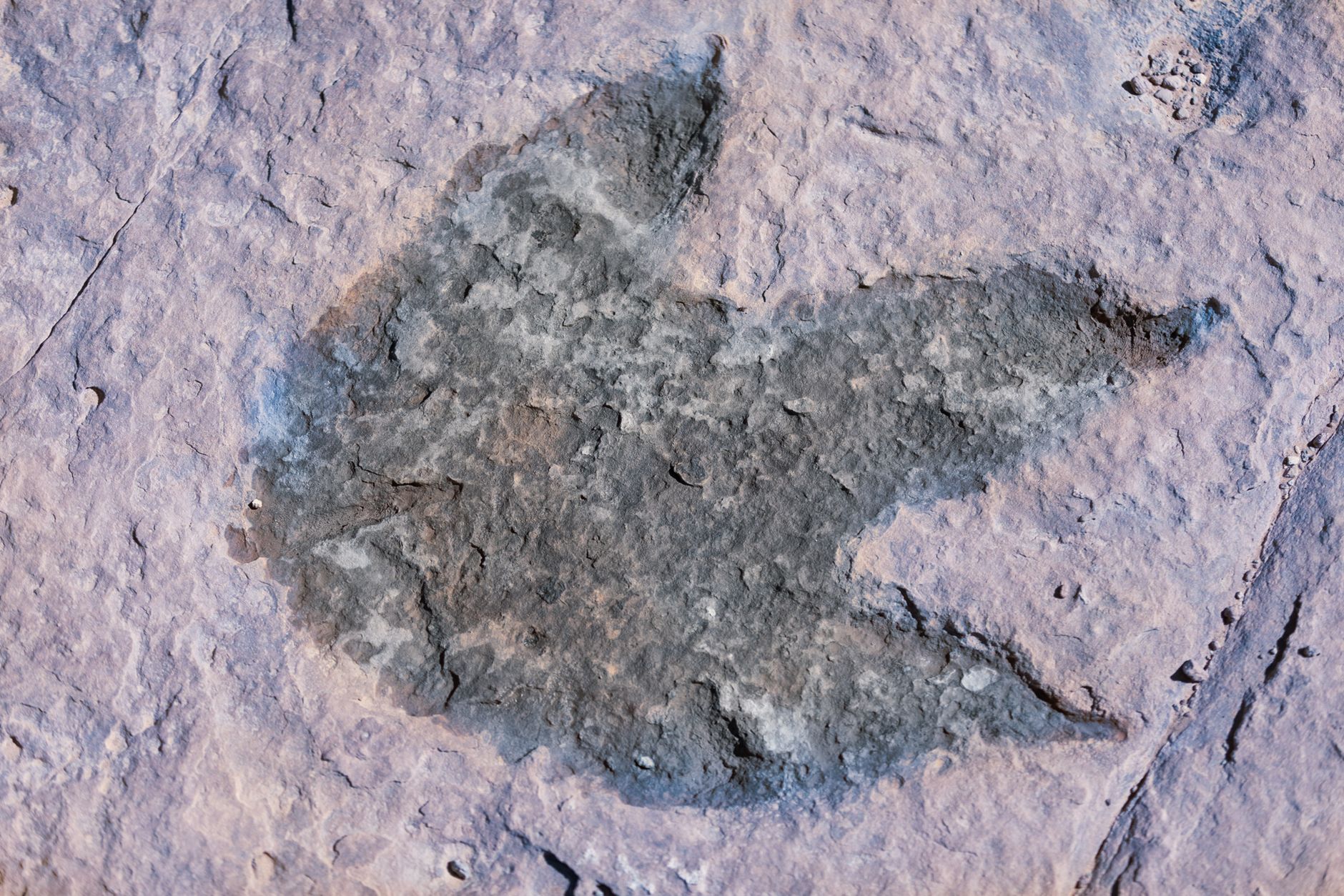
Earth’s oldest evidence of life is crucial for understanding the origins of life on our planet. However, this invaluable information is at risk of disappearing due to various environmental factors.
What is Earth’s oldest evidence of life?
Earth’s oldest evidence of life, dating back nearly 3.5 billion years, is primarily found in ancient stromatolites and microfossils. These fascinating structures, formed by the activity of microbial mats, are critical to understanding the early development of life on our planet.
Stromatolites provide a unique glimpse into the past, showcasing how early life forms interacted with their environment. They are layered sedimentary formations created by the trapping and binding of sediment by microorganisms, primarily cyanobacteria. This process not only highlights the existence of life but also indicates the conditions under which it thrived.
However, this invaluable evidence is at significant risk of disappearing forever. Natural erosion and climate change threaten these ancient structures, making preservation efforts essential. Scientists emphasize the need for increased awareness and conservation measures to protect these relics of Earth’s early biosphere.
In addition to stromatolites, other forms of evidence, such as isotopic signatures and organic compounds, also contribute to our understanding of early life. The loss of this evidence would not only diminish our knowledge of biological history but also hinder future research into the origins of life itself.
The significance of ancient fossils
The discovery of ancient fossils is pivotal in understanding the origins of life on Earth. These remnants provide crucial insights into the conditions that allowed life to thrive billions of years ago. As scientists study these fossils, they uncover details about early organisms and their environments, which are essential for piecing together the planet’s biological history.
Among the findings, Earth’s oldest evidence of life reveals a tapestry of microbial evolution. This evidence has been found in diverse locations, highlighting the resilience of life in extreme conditions. The significance of these fossils extends beyond mere curiosity; they can inform contemporary scientific inquiries, including the search for extraterrestrial life.
However, the risk of losing this ancient evidence is alarmingly high. Factors such as climate change, industrial activity, and natural erosion threaten to erase these invaluable records from our planet. The potential disappearance of Earth’s oldest evidence of life underscores the urgency of conservation efforts, as once these fossils are gone, they cannot be replaced.
Preserving these ancient sites is not just about safeguarding history; it is about protecting the legacy of life itself for future generations to explore and understand.
Current threats to fossil sites
The study of Earth’s oldest evidence of life is not only crucial for understanding our planet’s history but also increasingly threatened by various factors. As researchers scramble to protect these invaluable fossil sites, they face a multitude of challenges that could lead to irreversible loss.
Among the most pressing threats are:
- Climate Change: Rising temperatures and changing weather patterns can erode rock formations, damaging ancient fossils.
- Mining Activities: Increased demand for minerals often results in excavation that can destroy fossil sites before they are even studied.
- Urban Development: Expanding cities and infrastructure projects frequently encroach upon valuable archaeological sites, leading to unintentional destruction.
- Invasive Species: Non-native plants and animals can disrupt local ecosystems, leading to changes in soil composition that may threaten fossil preservation.
Without immediate action and increased awareness, the delicate balance required to protect the Earth’s oldest evidence of life may be irrevocably disrupted, risking a valuable window into our planet’s distant past.
How can we protect these findings?
To safeguard Earth’s oldest evidence of life, several strategies can be implemented to ensure these invaluable findings are preserved for future generations.
Firstly, it is crucial to establish protected areas around significant fossil sites. This can help prevent destructive activities such as mining, construction, and pollution. By designating these locations as conservation zones, we can mitigate human impact and reduce the risk of irreversible damage.
Additionally, fostering greater public awareness and education about the importance of these ancient fossils is essential. Engaging local communities and stakeholders in conservation efforts can create a sense of ownership and responsibility towards preserving these sites.
Moreover, promoting scientific research and collaboration among institutions can enhance our understanding of Earth’s oldest evidence of life. Such partnerships can lead to better protection measures and innovative solutions for site management.
Lastly, securing funding for preservation initiatives is vital. Governments and organizations should invest in conservation efforts to ensure that the rich history encapsulated in these fossils remains intact, allowing future generations to explore and learn from Earth’s ancient past.
Future of life evidence research
The future of research into Earth’s oldest evidence of life hangs in the balance as various factors threaten the preservation of these crucial fossils. Scientists emphasize the urgency of protecting these sites, as ongoing environmental changes and human activities pose significant risks.
Researchers are exploring innovative methods to document and study these ancient relics, ensuring that knowledge about early life forms is not lost forever. Some key strategies include:
- Digital Preservation: Utilizing advanced imaging techniques to create 3D models of fossils that can be shared and studied without physical handling.
- Field Education: Engaging local communities in conservation efforts to raise awareness about the importance of these sites.
- Collaborative Research: Encouraging partnerships between geologists, biologists, and conservationists to foster a multidisciplinary approach to studying these ancient records.
As scientists continue to uncover the mysteries of the Earth’s oldest evidence of life, the need for effective measures to protect these invaluable sites becomes increasingly critical. Without concerted efforts, we risk losing not only the fossils but also the understanding of our planet’s earliest inhabitants.
Scientists are racing against time to protect Earth’s oldest evidence of life from the threats posed by climate change and human activity. If these ancient remnants are lost, we may never fully understand the origins of life on our planet, making Earth’s oldest evidence of life irreplaceable.
Photo by Djamel Ramdani on Pexels