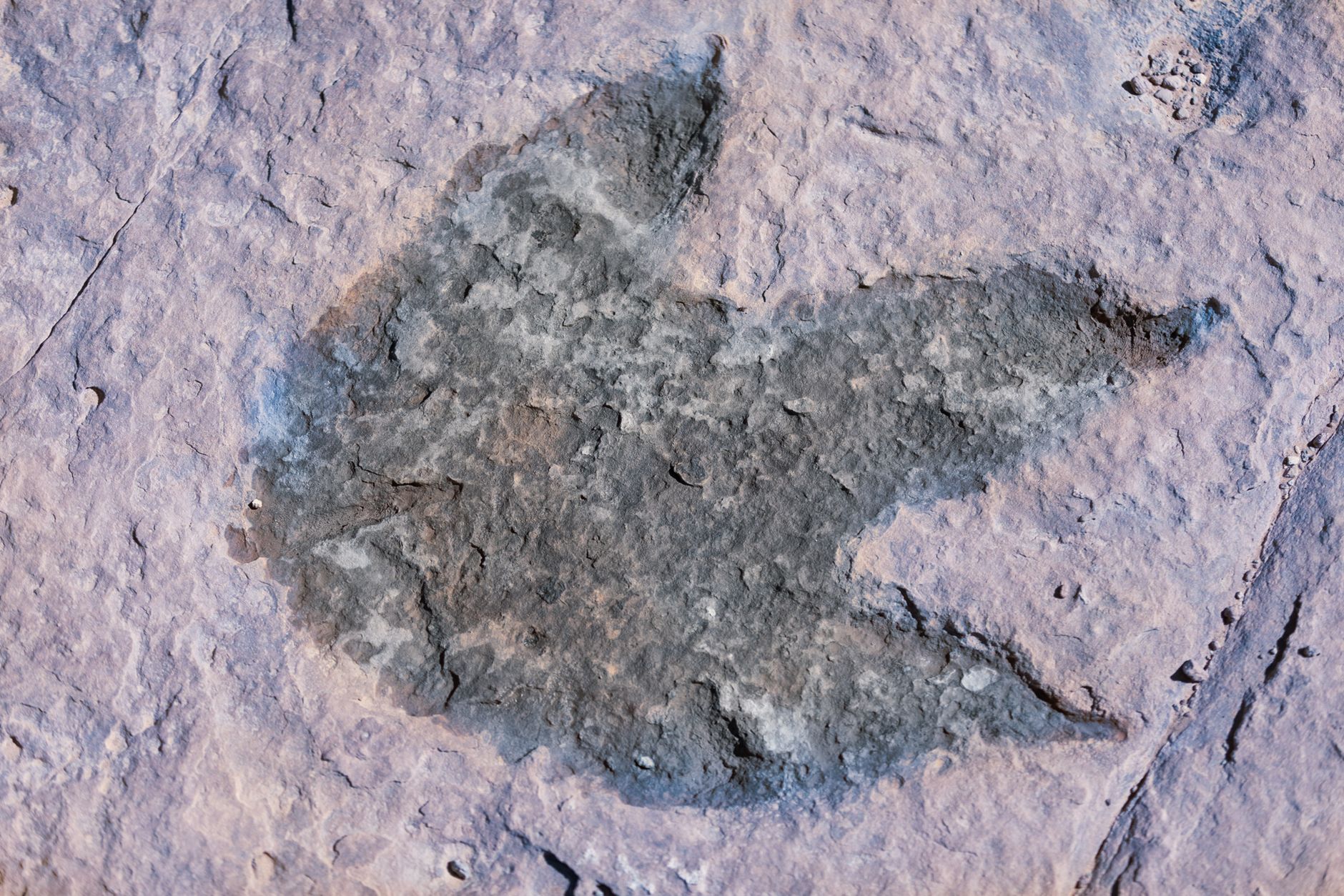
The new dinosaur species discovered near Arches National Park is a remarkable find that sheds light on the diversity of prehistoric creatures.
What is the new dinosaur species?
Scientists have recently uncovered a new dinosaur species in a remarkable discovery near Arches National Park. This new dinosaur species, which has yet to be officially named, offers unique insights into the diversity of prehistoric life in the region.
The fossilized remains were found by a team of paleontologists during an excavation mission. They believe that the dinosaur lived approximately 150 million years ago during the Late Jurassic period. Key features of the new dinosaur species include:
- Distinctive skeletal structure: The fossils exhibit a unique combination of traits that set it apart from other known dinosaurs.
- Size: Preliminary estimates suggest this dinosaur was relatively small, around the size of a modern-day dog.
- Diet: Evidence indicates that it was likely herbivorous, feeding on the lush vegetation that thrived in its habitat.
This discovery not only enhances our understanding of the evolutionary history of dinosaurs but also highlights the importance of ongoing paleontological research in the area. As scientists continue to study the remains, they hope to learn more about the lifestyles and environments of these ancient creatures.
Significance of the discovery
The discovery of the new dinosaur species near Arches National Park is significant for several reasons. Firstly, it contributes to our understanding of dinosaur diversity during the Late Jurassic period. This era is known for its rich variety of species, and finding a new member adds depth to the existing fossil record.
Moreover, the new dinosaur species provides valuable insights into the behavior and ecology of these ancient creatures. Paleontologists believe that studying its unique adaptations can reveal how dinosaurs thrived in different environments, including arid regions similar to those surrounding Arches National Park.
Additionally, this discovery emphasizes the importance of ongoing paleontological research in North America. As excavation techniques improve and more sites are explored, scientists anticipate uncovering further evidence of undiscovered species. This highlights the potential for future discoveries that can reshape our understanding of prehistoric life.
In summary, the identification of this new dinosaur species is not just a remarkable achievement; it is a celebration of the ever-evolving field of paleontology and a reminder of how much we still have to learn about the past.
How was the species identified?
The identification of the new dinosaur species was a meticulous process that involved several stages of research and analysis. Paleontologists began by examining a collection of fossilized bones discovered near Arches National Park. These bones exhibited unique characteristics that set them apart from previously known species.
To confirm their findings, researchers employed various methods, including:
- Comparative anatomy: Scientists compared the newly found bones with those of existing dinosaur species to identify distinct features.
- Radiographic imaging: Advanced imaging techniques allowed for a detailed view of the internal structure of the fossils, revealing information about their age and condition.
- Phylogenetic analysis: This method helped place the new species within the evolutionary tree, indicating its relationships to other dinosaurs.
Through a combination of these techniques, researchers were able to determine that this new dinosaur species had unique skeletal traits, leading to its classification as a distinct member of the dinosaur family. This breakthrough highlights the ongoing potential for discovering new species and deepening our understanding of prehistoric life.
Implications for paleontology
The discovery of a new dinosaur species near Arches National Park has significant implications for the field of paleontology. Researchers believe this find could reshape our understanding of dinosaur evolution and diversity during the Late Jurassic period.
Firstly, this new dinosaur species adds to the growing list of known dinosaurs from North America, which has historically been underrepresented in the fossil record compared to other continents. The identification of this species highlights the potential for further discoveries in the region, suggesting that many more undiscovered fossils may lie beneath the surface.
Additionally, the characteristics of this new dinosaur species could provide insights into the ecological niches that existed during its time. Understanding how it interacted with other species will help paleontologists build a more comprehensive picture of prehistoric ecosystems.
- The discovery encourages further exploration in under-researched areas.
- New findings could lead to reevaluations of evolutionary relationships among dinosaurs.
- This new dinosaur species may influence educational programs and public interest in paleontology.
Overall, the emergence of this new dinosaur species is a clear reminder of the importance of continued research and exploration in paleontological science.
Future research directions
The discovery of the new dinosaur species near Arches National Park opens up exciting avenues for future research. Paleontologists are eager to explore various aspects of this species, particularly its evolutionary relationships and ecological role during its time. Understanding how this new dinosaur fits into the larger family tree of dinosaurs will provide valuable insights into the diversity of life in prehistoric ecosystems.
One immediate focus will be to conduct comparative analyses with other known dinosaur species. Researchers plan to investigate:
- Bone structure: Analyzing the skeletal remains can reveal adaptations unique to this species.
- Habitat: Studying fossilized evidence can help determine the environment in which it thrived.
- Diet: Isotopic analysis may shed light on the feeding habits and dietary preferences of this new dinosaur species.
Furthermore, collaboration with other institutions could enhance the understanding of regional paleoenvironments, leading to a broader view of the ecological dynamics at play. As research progresses, this new dinosaur species is poised to challenge existing paradigms and inspire a new wave of paleontological inquiry.