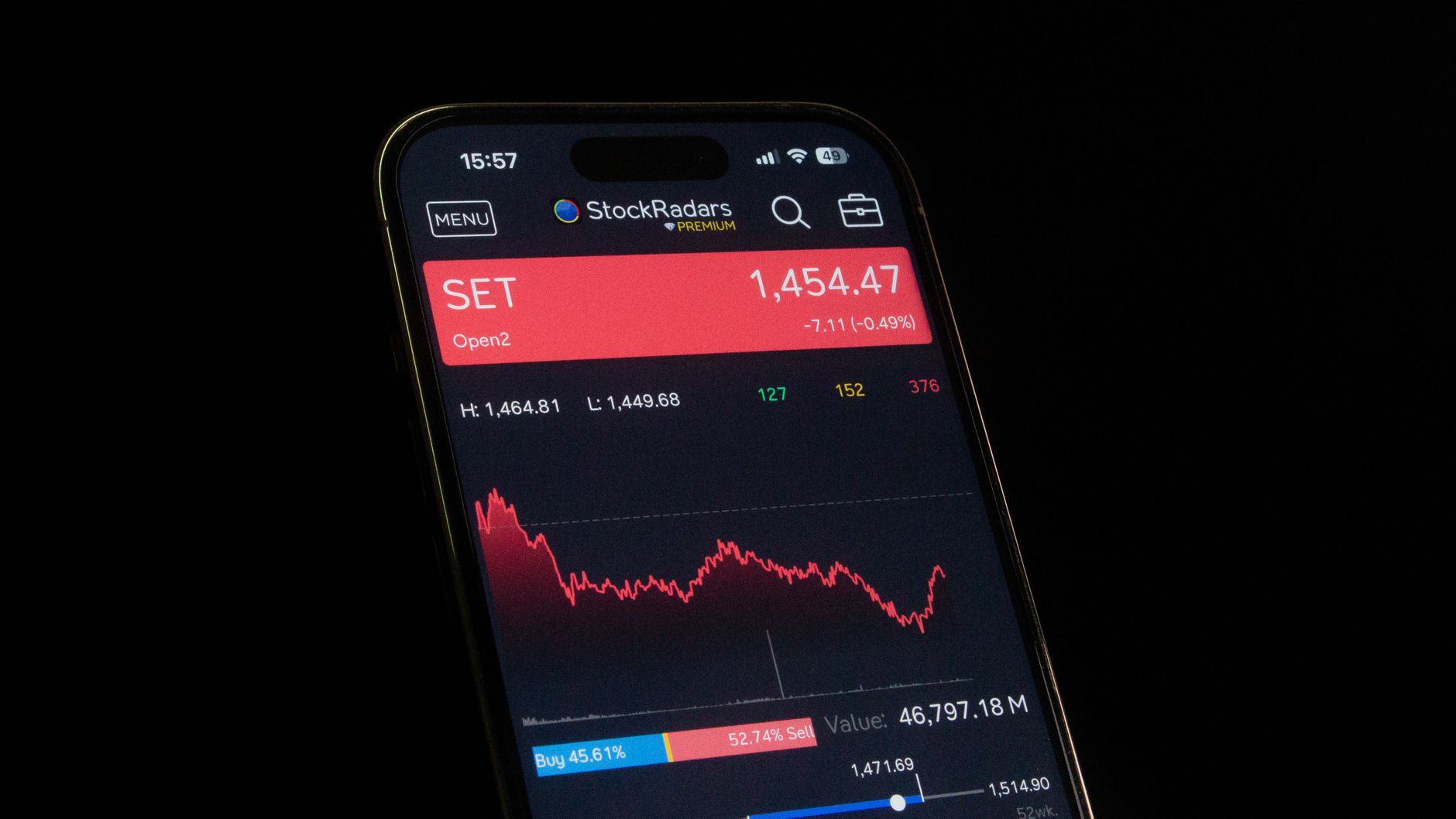
Nifty weekly losing streak has finally come to an end after 25 years. Investors are now curious about what to expect in the upcoming week.
Overview of Nifty’s Performance
The Nifty index has recently concluded its longest weekly losing streak in 25 years, leaving investors contemplating their next moves. This downturn has raised questions about market stability and future performance.
Throughout the past weeks, the Nifty has faced significant challenges, leading to a substantial decline in its value. Analysts have pointed out several factors contributing to this trend:
- Global Economic Concerns: Ongoing geopolitical tensions and inflation fears have influenced investor sentiment.
- Domestic Policy Changes: Recent government policies affecting key sectors have created uncertainty in the markets.
- Corporate Earnings Reports: Mixed results from major companies have added to the volatility.
As traders look ahead, the focus will be on identifying potential recovery signals. The Nifty’s weekly losing streak may have reached its end, but the path forward requires careful analysis of market trends and economic indicators.
Investors are advised to stay updated on key trading levels and remain cautious, as the markets could still experience fluctuations in the coming weeks.
Key Trading Levels to Watch
As the Nifty concludes its longest weekly losing streak in 25 years, traders should closely monitor key trading levels to navigate the upcoming market dynamics. Understanding these levels can provide insights into potential price movements and help in formulating effective strategies.
Key levels to watch include:
- Support Level: A significant support level has emerged around 15,600. If the index holds above this mark, it could signal a potential rebound from the recent declines.
- Resistance Level: The first resistance level is currently positioned at 15,900. A breakthrough above this level may indicate a shift in momentum, signaling the end of the Nifty weekly losing streak.
- Psychological Level: The 16,000 mark is crucial as it represents a psychological barrier. Traders should pay attention to how the index interacts with this level, as it could influence investor sentiment.
In summary, keeping an eye on these key trading levels will be essential for navigating the market in the wake of the Nifty’s recent performance.
Investor Sentiment Analysis
The recent Nifty weekly losing streak has left many investors pondering their next moves in the market. As the index ended its longest losing streak in 25 years, a shift in sentiment is being observed among traders and analysts alike.
Many investors are now weighing their options, considering both potential risks and rewards. Key factors influencing sentiment include:
- Market Volatility: The recent fluctuations have caused uncertainty, leading to cautious trading strategies.
- Economic Indicators: Upcoming data releases and economic reports are crucial in shaping expectations for the near future.
- Global Influences: External factors such as geopolitical tensions and changes in international markets also play a significant role in investor sentiment.
Experts suggest that while the Nifty’s weekly losing streak may have ended, it is essential for investors to remain vigilant. Keeping a close eye on market trends and adapting strategies accordingly can help navigate this evolving landscape.
In conclusion, understanding the current investor sentiment is vital for making informed decisions moving forward.
Expert Predictions for Next Week
As the Nifty ends its longest weekly losing streak in 25 years, expert predictions indicate a cautious outlook for the upcoming week. Analysts suggest that while the market has shown signs of stabilization, investors should remain vigilant.
- Technical Indicators: Chartists are observing critical support levels around 17,000. A failure to maintain this threshold could lead to further declines.
- Global Market Trends: With international markets showing mixed signals, the Nifty’s next move will heavily depend on external factors such as inflation reports and central bank policies.
- Sector Performance: Analysts recommend focusing on sectors that have historically outperformed during recovery phases, such as consumer goods and infrastructure.
- Investor Strategy: Many experts advocate for a defensive approach, encouraging investors to consider hedging strategies to protect against potential volatility.
Overall, as the Nifty weekly losing streak comes to an end, careful monitoring of market conditions will be essential for making informed investment decisions.
Historical Context of Nifty Trends
The recent performance of the Nifty index has brought attention to its troubling trajectory, culminating in a significant weekly losing streak. Historically, such trends have prompted discussions among investors regarding the implications for future performance.
Over the past 25 years, the Nifty has exhibited various patterns of volatility, often characterized by:
- Extended losing streaks that challenge investor confidence and market stability.
- Quick recoveries following prolonged declines, driven by shifts in economic indicators or market sentiment.
- Sector-specific influences that can exacerbate or mitigate the overall index performance, impacting investor strategies.
During previous downturns, savvy investors have often looked for opportunistic entry points, leveraging the historical data to inform their buying strategies. The Nifty’s weekly losing streak raises critical questions about the sustainability of current market conditions and the best next moves for investors. Understanding the historical context is essential for navigating the complexities of the current market environment.
The Nifty weekly losing streak has raised concerns among investors about potential market volatility. To navigate this Nifty weekly losing streak, experts suggest considering a diversified investment strategy.
Photo by Pixabay on Pexels