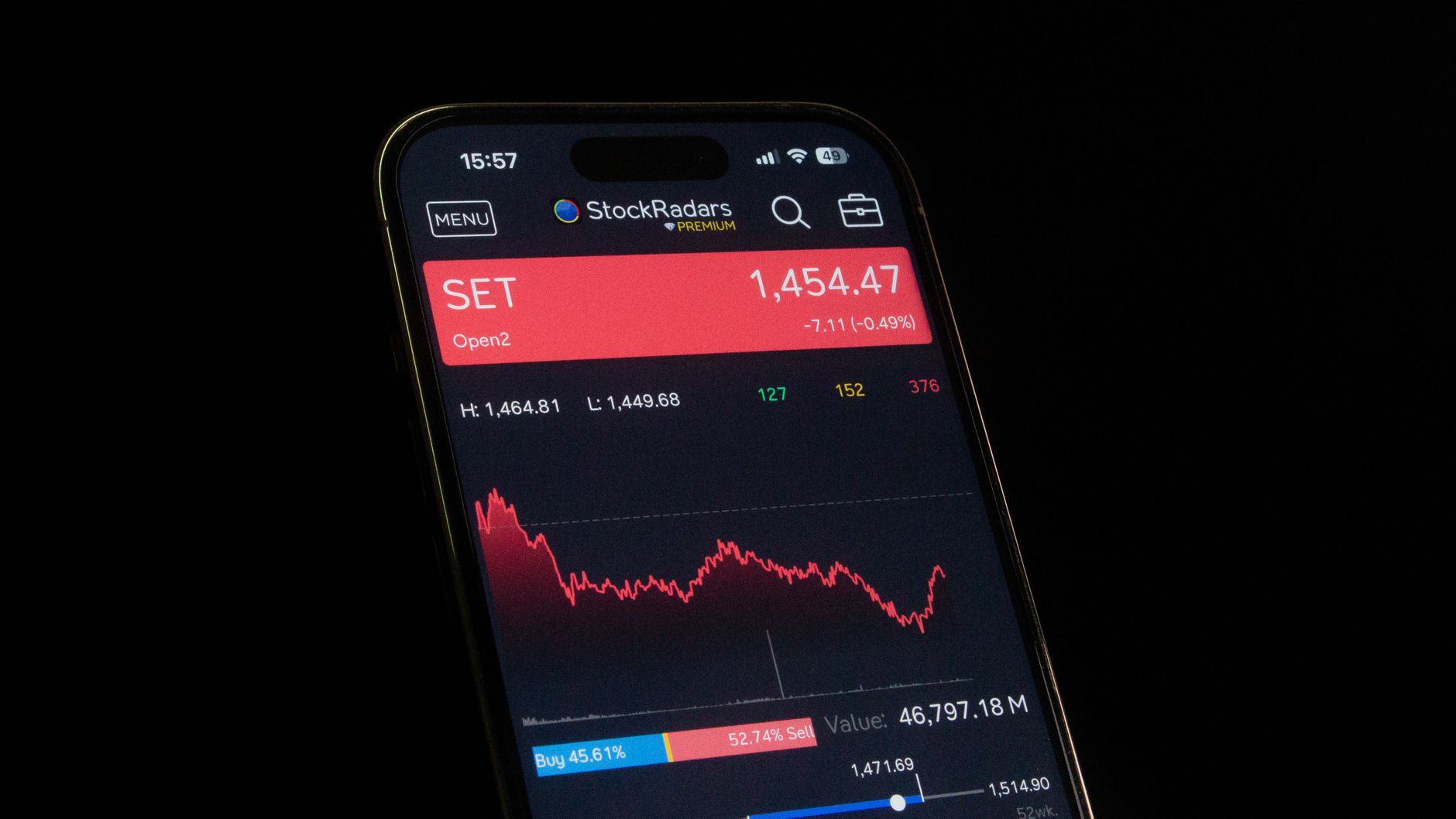
Sensex profit booking has caused a significant decline of 500 points, impacting midcaps which fell over 1%. This shift follows a period of nine-month highs, raising concerns among investors.
Understanding the Sensex Drop
The recent profit booking in the stock market has led to a significant decline in the Sensex, which dropped by 500 points after reaching nine-month highs. This downward movement has raised concerns among investors, particularly in the midcap segment of the market.
As the Sensex experiences these fluctuations, several reasons have contributed to this profit booking trend. Investors often seek to secure gains after substantial rises, leading to an increased selling pressure. This behavior has been particularly pronounced in midcap stocks, which have seen a fall of over 1% as a result.
Market analysts suggest that the impact on midcaps is a clear indication of shifting investor sentiment. The following factors are crucial to understanding this phenomenon:
- Market Volatility: The uncertainty in global markets has prompted cautious trading.
- Profit-Taking Strategies: Investors are opting to lock in profits after substantial gains.
- Sector Performance: Midcap stocks, often more sensitive to market changes, are bearing the brunt of this profit booking.
Overall, the recent Sensex profit booking highlights the need for a careful approach to investment during volatile periods.
Impact of Profit Booking on Midcaps
The recent trend of profit booking in the stock market has had a significant impact on midcap stocks, which have been particularly vulnerable. As investors reacted to the Sensex drop, the midcap segment experienced a noticeable decline, with many stocks falling over 1% in response to the broader market sentiment.
Market analysts have observed that the profit booking activity comes after a sustained nine-month rally, prompting investors to capitalize on their gains. This shift has led to increased volatility in midcap stocks, which are often more sensitive to market fluctuations compared to their large-cap counterparts.
Key factors contributing to the adverse effects on midcaps include:
- Increased Selling Pressure: Investors are offloading midcap stocks to secure profits, leading to a sharp decline in prices.
- Market Sentiment: The overall negative sentiment in the market has further exacerbated the situation for midcap stocks.
- Profit Taking: The trend of profit booking has discouraged new investments in the midcap sector, resulting in a stagnation of growth.
As profit booking continues, midcap investors may face challenges in navigating this turbulent market environment.
Market Reaction to Recent Trends
The recent trend of profit booking has significantly influenced the Indian stock market, particularly affecting the Sensex and midcap stocks. Following a remarkable nine-month high, the Sensex experienced a sharp decline, dropping by 500 points. This downturn was largely attributed to heightened profit booking activities among investors, leading to a ripple effect across various sectors.
Midcaps, which are often more sensitive to market fluctuations, suffered the worst impact as they fell over 1%. This trend signals a cautious approach by investors who are likely taking profits after a sustained rally. The situation has raised concerns about the sustainability of the current market levels.
Market analysts have noted several key factors contributing to this reaction:
- Investor Sentiment: Widespread fears of overvaluation have prompted many to secure gains.
- Market Volatility: Increased volatility has made many investors wary of holding onto their positions.
- Economic Indicators: Mixed economic data may have fueled uncertainty regarding future growth.
As the Sensex profit booking continues, market participants are advised to remain vigilant and reassess their investment strategies in light of these developments.
Investor Sentiment Analysis
Investor sentiment has experienced a notable shift following the recent profit booking triggered by the Sensex’s decline. With the index plummeting 500 points after reaching nine-month highs, many market participants are reassessing their positions. The fear of further losses has led to a cautious approach among investors, especially in the midcap segment.
As the profit booking unfolds, several factors are influencing investor decisions:
- Market Volatility: The recent fluctuations have heightened concerns, prompting investors to prioritize capital preservation over aggressive trading.
- Sector Performance: Midcaps, in particular, have been hit hardest, with many stocks experiencing a drop of over 1%. This has led to a reevaluation of risk versus reward.
- Economic Indicators: Mixed economic signals are adding to the uncertainty, causing investors to adopt a wait-and-see approach before making further commitments.
- Long-Term Outlook: Despite the current downturn, some investors remain optimistic about the long-term prospects, believing that this profit booking phase might present buying opportunities.
Overall, the sentiment in the market reflects a blend of caution and hope, as investors navigate through this phase of profit booking and its implications.
Future Predictions for Sensex
As profit booking takes center stage in the current market dynamics, analysts predict that the Sensex may continue to experience volatility in the near future. The recent decline, attributed to profit booking after nine-month highs, has raised concerns among investors regarding market stability.
Experts suggest that several factors could influence the trajectory of the Sensex:
- Global Market Trends: International economic indicators and geopolitical tensions could sway investor confidence, leading to further profit booking.
- Corporate Earnings: Upcoming quarterly results are expected to play a crucial role in shaping market sentiment. Positive earnings might alleviate concerns, while disappointing results could exacerbate profit booking.
- Monetary Policy Changes: Any changes in central bank policies, particularly regarding interest rates, may impact liquidity and investment patterns.
- Sectoral Performance: The performance of key sectors, especially midcaps, will be vital. A continued decline in midcaps could signal further profit booking in the broader market.
In summary, ongoing profit booking in the Sensex, particularly affecting midcaps, suggests a cautious approach for investors as they navigate potential market fluctuations.
The recent Sensex profit booking has led to significant declines in midcap stocks, highlighting the vulnerability of this segment. Investors are now closely analyzing the reasons behind the Sensex profit booking to make informed decisions moving forward.
Photo by Makrufin Muhammad on Pexels