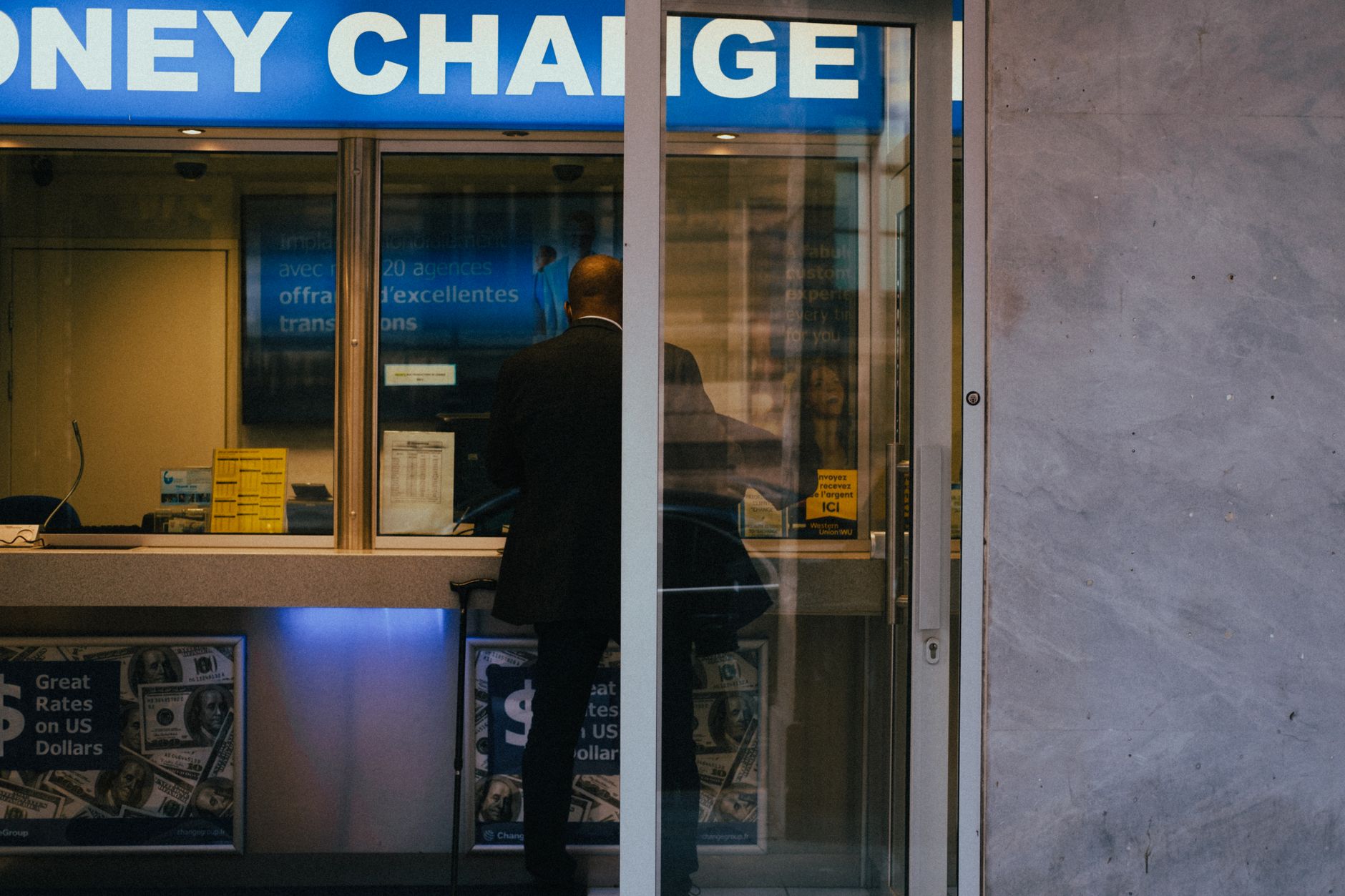
RBI forex measures are currently under scrutiny as banks seek clarification on their implementation. This situation has raised questions about the potential impact on the banking sector.
Understanding RBI Forex Measures
The Reserve Bank of India (RBI) has introduced several measures to regulate forex transactions, aiming to stabilize the currency market and enhance liquidity. Understanding these RBI forex measures is crucial for banks and financial institutions as they navigate the new landscape of currency handling.
Key aspects of the RBI’s approach include:
- Enhanced Reporting Requirements: Institutions are now mandated to provide detailed reports on forex transactions to ensure transparency.
- Limit Adjustments: The RBI has revised limits on currency exposures, impacting how banks manage their foreign exchange risks.
- Focus on Compliance: A stringent compliance framework has been established to minimize discrepancies in forex dealings.
As banks seek clarification on the implementation of these measures, effective communication and strategic planning will be essential for smooth adaptation.
Impact on Banking Sector
The recent RBI forex measures are poised to significantly impact the banking sector, prompting a need for clarity among financial institutions. As banks navigate these regulations, several key effects are becoming evident:
- Compliance Costs: Financial institutions may face increased operational costs as they adapt to the new guidelines.
- Risk Management: Enhanced measures could lead to more robust risk management practices within banks, aiming to mitigate potential forex exposure.
- Customer Services: Banks might need to revamp their services to accommodate changes in forex transactions, ensuring they remain competitive.
- Training Requirements: Staff training will be essential to ensure that employees are well-versed in the new procedures set forth by the RBI.
Overall, the successful implementation of the RBI forex measures will require strategic planning and clear communication within the banking sector.
Clarifications Sought by Banks
As the Reserve Bank of India (RBI) introduces new forex measures, banks are actively seeking clarifications regarding their implementation. These measures aim to stabilize the foreign exchange market, but their complexity has raised several questions within the banking community.
Key areas of concern include:
- Compliance Requirements: Banks are uncertain about the specific documentation and processes required to adhere to the new rules.
- Impact on Transactions: There are fears that the measures may complicate regular forex transactions, affecting clients and operations.
- Risk Management: Financial institutions seek guidance on how to effectively mitigate risks associated with currency fluctuations under the new framework.
The RBI is expected to provide detailed answers to these queries to ensure a smooth transition and effective implementation of the RBI forex measures.
Implementation Challenges Ahead
The implementation of RBI forex measures presents several challenges for banks and financial institutions. As they work to align their operations with the new guidelines, they must navigate a complex regulatory landscape.
Key challenges include:
- Technology Upgrades: Many banks may need to invest in new systems and software to ensure compliance with the updated regulations.
- Training and Development: Staff members must be adequately trained to understand and execute the new forex measures effectively.
- Stakeholder Communication: Banks will need to maintain clear communication with clients and stakeholders to address any concerns during the transition period.
Ultimately, the success of these RBI forex measures will depend on how well banks can address these challenges while ensuring compliance and maintaining customer trust.
Expert Opinions on Forex Regulations
Experts in the field have provided valuable insights regarding the recent RBI forex measures. According to financial analysts, the success of these measures largely depends on the clarity of communication between the Reserve Bank of India and banking institutions. Dr. Aditi Sharma, a leading economist, emphasized the need for robust training programs for bank staff to ensure proper understanding and execution of these regulations.
Additionally, Mr. Ravi Kumar, a financial consultant, pointed out that adopting technology-driven solutions can streamline compliance processes. He suggested that banks should invest in automated systems that facilitate real-time monitoring of forex transactions.
Furthermore, industry leaders believe that regular feedback from banks will be crucial for refining these RBI forex measures, ensuring they meet the evolving needs of the market while maintaining regulatory standards.
Future of Currency Exchange in India
The future of currency exchange in India appears to be shaped significantly by the recent RBI forex measures. As the landscape evolves, several factors will influence how these regulations are implemented and perceived by market participants.
Key elements to consider include:
- Technological Advancements: The adoption of digital platforms may streamline compliance and enhance transaction efficiency.
- Market Volatility: Fluctuations in global markets could prompt further adjustments to the RBI’s strategies.
- Stakeholder Engagement: Continuous dialogue between the RBI and financial institutions will be crucial in addressing concerns and refining implementation.
- Public Awareness: Educating businesses and consumers about new forex regulations will foster a better understanding and smoother transitions.
Ultimately, the effectiveness of the RBI forex measures will depend on how well these strategies are executed in the coming months.
Photo by Ravi Roshan on Pexels
References
Tessolve Semiconductor Expansion: Is It Worth the Investment? · Sensex drops today: What are the proven causes behind it? · Nifty Outlook October 12: Is It the Best Time to Invest?