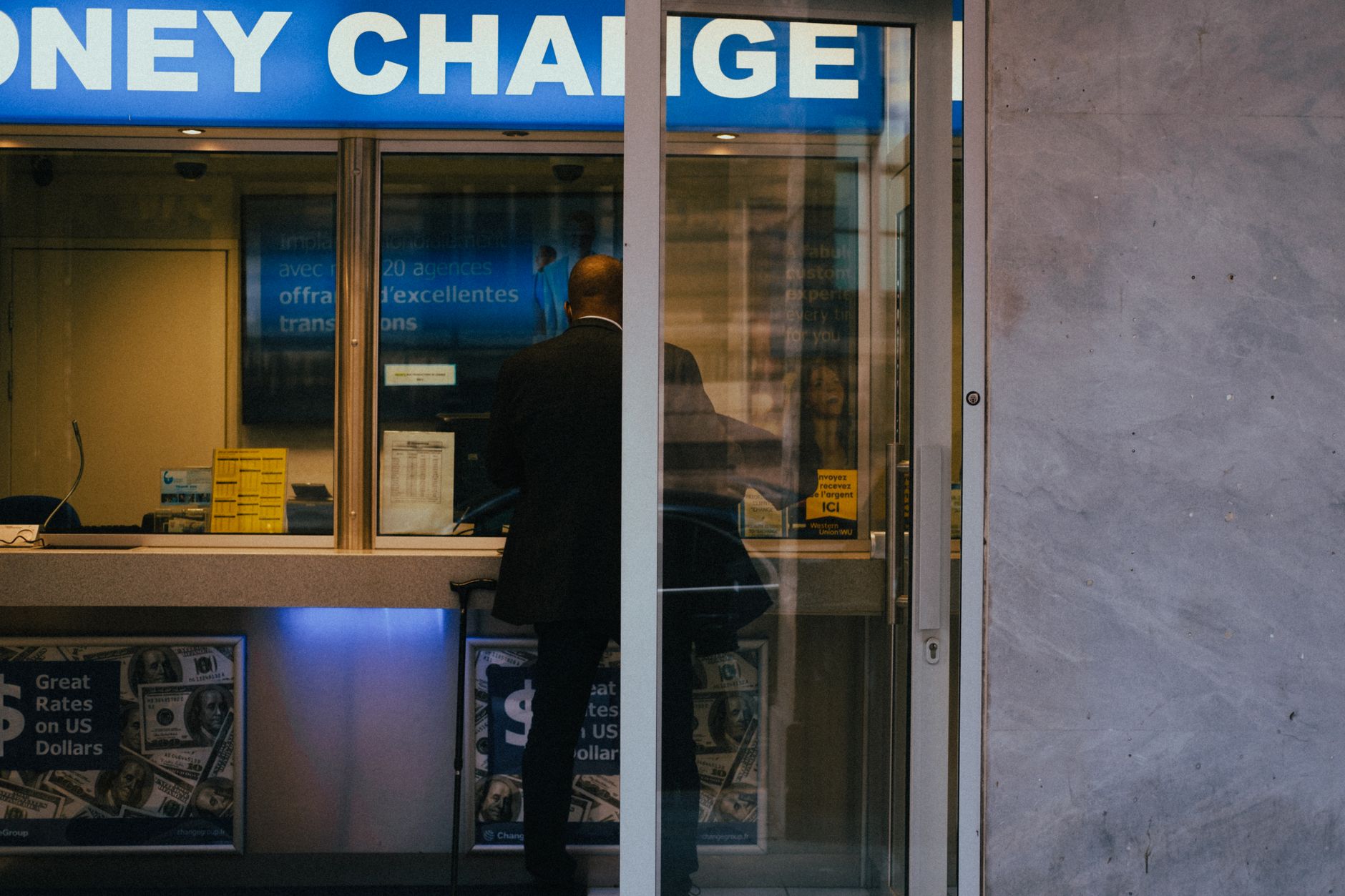
FD rates increase as large banks have raised their rates by up to 50 basis points. This change means that customers can now enjoy returns as high as 7.55%.
Understanding the Recent FD Rate Hike
Recent developments in the banking sector have drawn attention to the rising Fixed Deposit (FD) rates. With large banks significantly increasing their FD rates by up to 50 basis points, savers are now presented with more attractive options. The current environment has led to some institutions offering returns as high as 7.55%, which marks a notable shift in yield for investors seeking safer avenues for their funds.
This increase in FD rates is primarily influenced by a combination of factors, including economic recovery, inflation concerns, and changes in monetary policy. As banks aim to attract more deposits, the competition intensifies, resulting in better returns for savers. Understanding the implications of these FD rate hikes is crucial for potential investors.
Several banks have responded to the demand for higher interest rates, and customers should take the time to compare offerings. Here are some key points to consider:
- Interest Rate Variability: Different banks offer varying rates, so it’s essential to shop around.
- Tenure Options: FD rates may vary based on the duration of the investment; longer tenures often yield higher returns.
- Bank Reputation: Consider the credibility and stability of the bank before making a decision.
Overall, the recent FD rates increase represents a favorable opportunity for those looking to enhance their savings with reliable returns.
Top Banks Offering Competitive Rates
With the recent rise in FD rates, many banks are now offering competitive returns that attract savers looking for secure investment options. The uptick in interest rates has led some of the largest banks to enhance their offerings, positioning themselves as leaders in the fixed deposit market.
Here are some of the top banks currently providing attractive FD rates:
- State Bank of India (SBI): Offers a new FD rate of up to 7.10% for a tenure of up to 10 years.
- HDFC Bank: Provides a competitive rate of 7.50% for deposits maturing in 5 years.
- ICICI Bank: Recently increased rates to 7.55%, making it one of the highest in the market.
- Axis Bank: Offers 7.25% for a tenure of 5 years, appealing to long-term investors.
- Punjab National Bank (PNB): Now provides a rate of 7.10% on fixed deposits of up to 5 years.
These recent changes reflect the banks’ responsive measures to the overall economic conditions and market demands. As institutions continue to raise their FD rates, consumers are encouraged to explore their options, especially considering the potential for increased returns on their savings. The FD rates increase offers a promising opportunity for both new and existing customers to maximize their investments.
How FD Rates Impact Your Savings
The recent increase in FD rates is significant for savers looking to maximize their returns. With many banks now offering rates up to 7.55%, it presents an excellent opportunity for individuals to grow their savings with minimal risk. Understanding how these rates impact your savings can help you make informed financial decisions.
Fixed Deposits (FDs) are a popular investment choice due to their stability and guaranteed returns. When FD rates increase, the potential earnings on your deposited amount also rise. This is particularly beneficial in a low-interest rate environment, where traditional savings accounts often yield little to no interest. The higher FD rates encourage individuals to deposit more funds, as they can earn more over time.
Moreover, the impact of FD rates on your savings can be substantial based on the following factors:
- Investment Duration: Longer-term deposits tend to offer higher rates, maximizing returns.
- Compounding Effect: Higher rates lead to greater compound interest, significantly increasing your savings over time.
- Inflation Consideration: Increased FD rates can help mitigate the impact of inflation on your savings.
In conclusion, the recent FD rates increase presents a valuable chance for savers to enhance their financial portfolios while securing their funds in a stable investment option.
Comparing Returns: Which Bank is Best?
As the landscape of fixed deposits (FDs) evolves, savers are keen to know which banks offer the best returns on their investments. The recent increase in FD rates has led many financial institutions to revise their offerings, with some providing interest rates as high as 7.55%. This surge in returns is a significant development for those looking to grow their savings.
When comparing returns, it’s essential to consider several factors:
- Interest Rate: The primary factor influencing your choice. Several banks have increased their FD rates, with top contenders offering rates between 7.00% and 7.55%.
- Tenure Options: Different banks provide a variety of tenure options, ranging from 6 months to 10 years. A longer tenure often yields higher returns.
- Compound Frequency: The frequency at which interest is compounded can impact overall returns. Monthly compounding typically offers better returns than quarterly or annual compounding.
- Bank Reputation: Choose a bank with a strong reputation and solid financial standing to ensure your investments are secure.
In light of the recent increase in FD rates, it’s crucial for investors to evaluate their options carefully. By comparing rates and terms, savers can make informed decisions that enhance their financial growth.
Future Trends in Banking Interest Rates
As the financial landscape continues to evolve, the recent FD rates increase has sparked discussions about future trends in banking interest rates. Analysts suggest that the current upward trajectory in fixed deposit rates may persist, driven by several economic factors.
One significant influence is the Reserve Bank of India’s monetary policy. With inflation remaining a concern, the central bank may continue to adjust interest rates to stabilize the economy. This could lead to further hikes in FD rates, encouraging banks to offer more competitive returns to attract depositors.
Additionally, the increasing competition among banks to secure customer deposits could play a key role. As larger banks raise their rates, smaller banks might follow suit to remain attractive, which could lead to a general increase in FD rates across the sector.
Furthermore, changing consumer behavior and preferences are also expected to impact interest rates. With a growing number of individuals focusing on secure investment options, banks may be compelled to enhance their FD offerings to meet demand.
In summary, the future of banking interest rates appears to be influenced by a combination of monetary policy, competition, and consumer demand. As we witness the FD rates increase, savers should stay informed about potential changes that may affect their investments.
As FD rates increase, many savers are looking for the best options to maximize their returns. With several banks now offering up to 7.55% returns, investors are keen to take advantage of the rising FD rates increase.
Photo by Monstera Production on Pexels
Sources
You might also like
Q3 earnings beat: Is it Worth Buying MP Stock Now? · Bitcoin price forecast: Worst leverage risks lead to sharp moves · Auto Stocks Rise: Proven Strategies to Capitalize on Gains