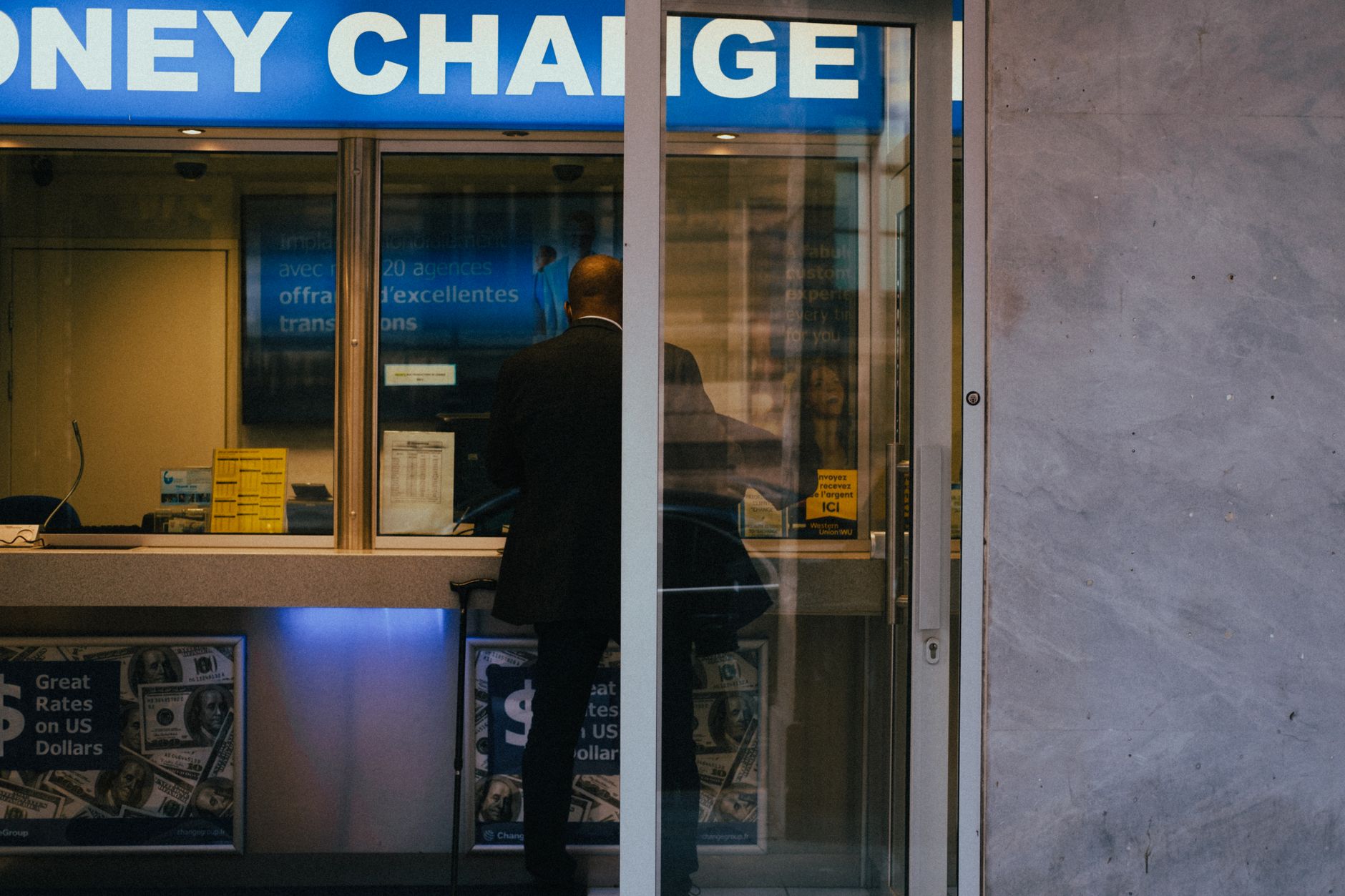
Bank of Canada interest rates have a significant impact on the economy. The recent announcement in October 2026 brings important insights for consumers and investors alike.
Overview of the Announcement
The recent announcement by the Bank of Canada regarding interest rates has generated significant discussion among economists and financial analysts. With the central bank’s decision to maintain its current rate, stakeholders are closely examining the implications for both consumers and businesses.
Key takeaways from the announcement include:
- Stability in Rates: The Bank of Canada interest rates remain unchanged, reflecting a cautious approach towards inflation and economic growth.
- Economic Indicators: The central bank highlighted several economic indicators that influenced its decision, including employment rates and consumer spending.
- Future Outlook: While rates are stable for now, officials indicated that adjustments may be necessary in response to evolving economic conditions.
As these insights unfold, many will be watching how the Bank of Canada navigates the complex economic landscape in the coming months.
Impact on Homebuyers
The recent decision by the Bank of Canada to adjust interest rates has significant implications for homebuyers across the country. As borrowing costs rise, many potential homeowners are re-evaluating their plans to purchase property.
Here are some key impacts on homebuyers:
- Increased Monthly Payments: Higher interest rates will lead to increased monthly mortgage payments, making home ownership less affordable for many.
- Reduced Purchasing Power: With elevated rates, buyers may find their purchasing power diminished, resulting in a need to lower their home price expectations.
- Market Slowdown: A potential slowdown in the housing market may occur as buyers hesitate to enter due to increased costs, impacting overall demand.
- Refinancing Challenges: Existing homeowners looking to refinance may face higher costs, discouraging them from making changes to their current mortgage arrangements.
Overall, the Bank of Canada interest rates are reshaping the landscape for homebuyers, prompting a cautious approach in the market.
Economic Implications
The recent decision by the Bank of Canada regarding interest rates has significant economic implications. As the central bank adjusts its rates, various sectors of the economy are affected. The adjustments influence borrowing costs, consumer spending, and overall economic growth.
One major implication is for businesses looking to invest. Higher interest rates may lead to increased costs for loans, which can deter expansion and hiring. Conversely, lower rates could stimulate investment, fostering growth and innovation.
Additionally, the Bank of Canada interest rates directly impact the housing market. With changes in rates, potential homebuyers may find affordability fluctuating, which in turn affects demand and housing prices.
Furthermore, consumers may feel the pinch in their personal finances, as higher interest rates can lead to increased credit card and loan payments. Understanding these implications is crucial for both individuals and businesses navigating the current economic landscape.
- Borrowing costs influence business investments.
- Consumer spending is affected by personal finance changes.
- The housing market reacts to interest rate fluctuations.
Future Rate Predictions
As the Bank of Canada interest rates continue to evolve, analysts are making predictions about future movements in the coming months. Economists are closely monitoring several indicators that could influence the central bank’s decisions.
- Inflation Trends: A sustained rise in inflation could prompt the Bank of Canada to increase rates further to maintain price stability.
- Employment Data: Strong job growth may lead to increased consumer spending, potentially influencing rate hikes.
- Global Economic Conditions: International market trends and economic health in major trading partners will play a crucial role in shaping the Bank’s strategy.
- Consumer Confidence: If consumer sentiment remains robust, the Bank may see justification for adjusting interest rates.
Market experts suggest that the Bank of Canada interest rates might see incremental increases, depending on the performance of these key economic indicators over the next few quarters.
Expert Opinions
In light of the recent Bank of Canada interest rates announcement, experts are weighing in on the potential implications for the economy and consumers. Many analysts believe that the decision reflects a cautious approach to managing inflation while fostering economic growth.
Economist Jane Doe stated, “The Bank of Canada is navigating a delicate balance. They must address inflationary pressures without stifling recovery.” This sentiment echoes among financial experts who emphasize the need for careful monitoring of economic indicators.
Furthermore, John Smith, a financial advisor, noted, “Borrowers should be prepared for fluctuations. The current rates may not last, and future adjustments could impact their financial planning.”
Experts also suggest that homeowners should consider locking in fixed rates now to mitigate risks associated with future increases. The consensus is clear: understanding the nuances of the Bank of Canada interest rates is essential for both consumers and investors.
Conclusion and Next Steps
In conclusion, the recent announcement regarding the Bank of Canada interest rates has significant implications for both consumers and the broader economy. As the central bank navigates the challenges posed by inflation and economic growth, understanding these changes becomes essential for homebuyers and investors alike.
The insights shared by experts indicate a cautious approach moving forward, emphasizing the importance of staying informed about potential shifts in monetary policy. Homebuyers should consider the current interest rates when making financial decisions, as these rates impact mortgage affordability and housing market dynamics.
Looking ahead, stakeholders should prepare for possible adjustments in response to evolving economic conditions. Monitoring the Bank of Canada’s communications and economic indicators will be crucial in anticipating future rate changes. In this context, remaining proactive and adaptable will be key for those affected by the Bank of Canada interest rates.
- Stay updated on economic news.
- Consult financial advisors for personalized guidance.
- Evaluate long-term financial strategies.
Read the original
Related reading
TVS Motor shares: Best proven gains as Q2 profits soar · GIFT Nifty crash signals worst start for markets · Amco India Earnings Report: Clear Insights on Q2 Performance