

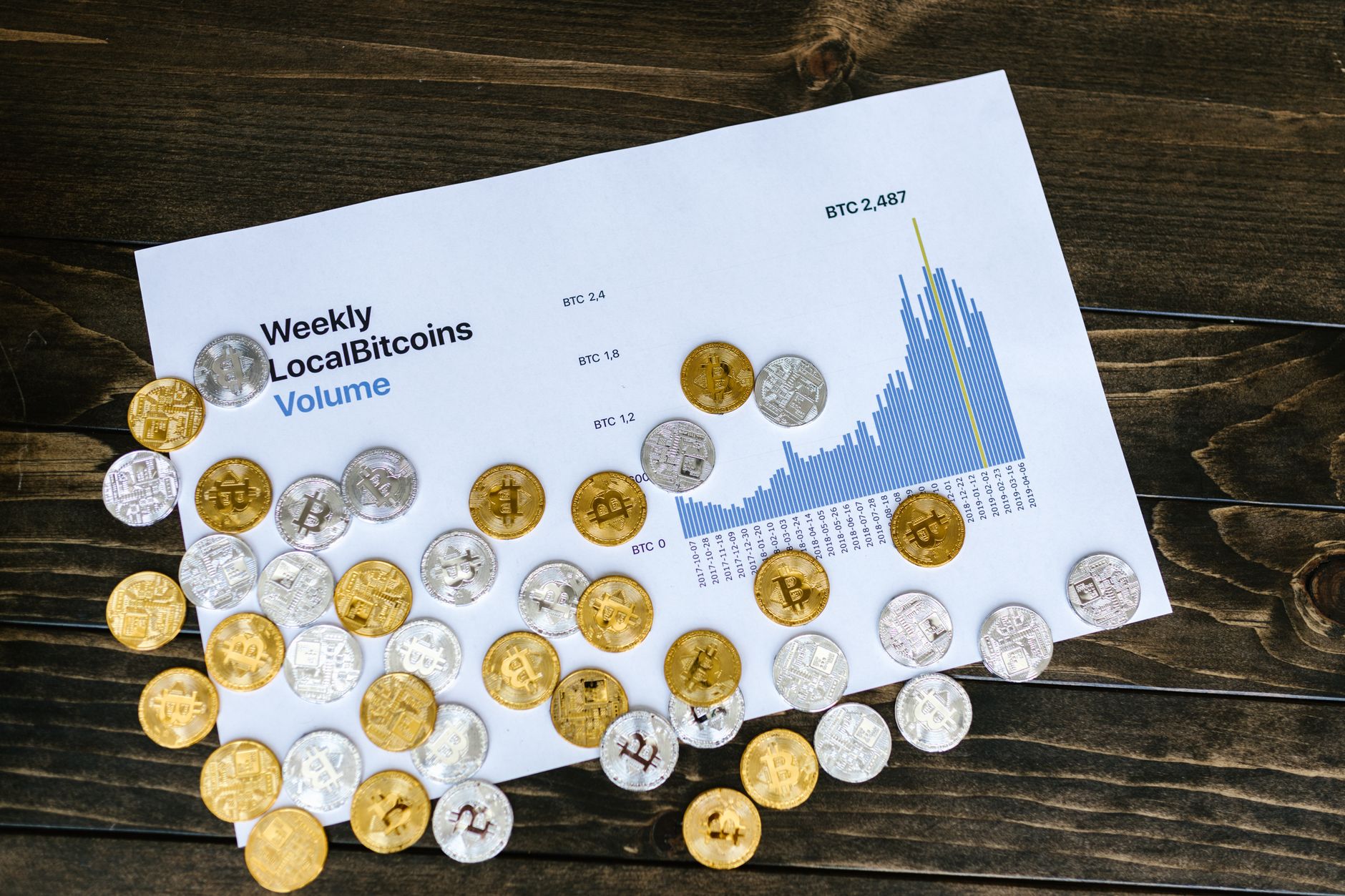
Bitcoin volatility analysis shows how the market has evolved since 2018, with a notable decrease in overall volatility but an increase in extreme price swings.
Understanding Bitcoin Volatility
Bitcoin, the leading cryptocurrency, has long been known for its price volatility. Understanding Bitcoin volatility is essential for both investors and analysts as it directly impacts trading strategies and market behavior. Recent analysis indicates that while overall volatility has decreased since 2018, the occurrence of extreme price swings, referred to as 3-sigma price swings, has become increasingly common.
This paradox highlights a more complex landscape in Bitcoin trading. The reduced overall volatility suggests a maturing market, but the spikes in extreme price movements point to underlying factors that may be unsettling for investors. Key contributors to these fluctuations include:
- Market Sentiment: Rapid changes in investor sentiment can lead to sudden price jumps or drops.
- Regulatory Developments: News regarding regulations can create uncertainty, prompting sharp price reactions.
- Technological Advancements: Innovations in blockchain technology can influence supply and demand dynamics.
As analysts conduct Bitcoin volatility analysis, they emphasize the importance of understanding these factors to navigate the cryptocurrency market effectively. Adapting to the new volatility landscape can provide traders with opportunities, but also presents significant risks.
Historical Trends in Bitcoin Prices
The historical trends in Bitcoin prices reveal a complex narrative that intertwines periods of intense volatility with phases of relative stability. Initially, Bitcoin experienced dramatic price surges, often leading to significant market corrections. This pattern has led to the need for thorough Bitcoin volatility analysis.
Since its inception, Bitcoin has undergone several notable price cycles, characterized by:
- 2013 Boom: Bitcoin’s price surged past $1,000, only to crash to around $200 by early 2015.
- 2017 Surge: The price skyrocketed to nearly $20,000, followed by a protracted bear market that saw values plummet to around $3,000 in late 2018.
- Recent Trends: Following a period of consolidation, Bitcoin reached new heights in 2021, surpassing $60,000, before experiencing further volatility.
Interestingly, while the overall volatility has decreased since 2018, the occurrence of 3-sigma price swings has become increasingly frequent. This paradox highlights the evolving dynamics of Bitcoin markets, necessitating ongoing research and a deeper understanding of Bitcoin volatility analysis to navigate the digital currency landscape effectively.
Factors Influencing Bitcoin Price Swings
The cryptocurrency market is notoriously volatile, with various factors influencing the price swings of Bitcoin. Understanding these influences is crucial for anyone looking to navigate the complexities of Bitcoin volatility analysis.
Several key elements contribute to the fluctuations in Bitcoin’s value:
- Market Sentiment: Investor emotions and perceptions can lead to rapid price changes. News events, regulatory announcements, and social media trends often sway public opinion, impacting buying and selling behaviors.
- Regulatory Changes: Government regulations can significantly affect Bitcoin prices. Positive regulatory news can boost confidence, while harsh regulations can lead to sudden declines.
- Technological Developments: Advancements in blockchain technology or Bitcoin’s infrastructure can influence investor confidence. Improvements or upgrades may lead to increased adoption and higher prices.
- Market Manipulation: The relatively low market capitalization of Bitcoin compared to traditional assets makes it susceptible to manipulation. Large holders or “whales” can sway prices with significant trades.
- Global Economic Factors: Economic instability or inflation concerns often drive investors toward Bitcoin as a hedge, impacting its price volatility.
By analyzing these factors, investors can better anticipate potential price movements and make more informed decisions in the evolving landscape of Bitcoin trading.
The Impact of Market Sentiment
The cryptocurrency market is heavily influenced by market sentiment, which plays a crucial role in Bitcoin volatility analysis. Investors’ emotions and perceptions can lead to rapid price fluctuations, often disproportionate to underlying fundamentals.
In recent years, as Bitcoin has gained mainstream attention, the impact of sentiment has only intensified. A surge in positive news, such as institutional adoption or favorable regulations, can lead to a significant uptick in demand, pushing prices higher. Conversely, negative news, such as security breaches or regulatory crackdowns, can trigger panic selling, resulting in sharp declines.
Recent trends indicate that while overall volatility has decreased since 2018, the frequency of extreme price swings, particularly those classified as 3-sigma, has increased. This indicates that while the average price movement is less erratic, the potential for sudden and drastic changes remains a concern for investors.
Understanding this delicate balance between market sentiment and volatility is essential for navigating the cryptocurrency landscape. Investors must remain aware of external factors that can sway public perception, as these elements are critical in predicting potential price movements and assessing risk in their portfolios.
Analyzing 3-Sigma Price Movements
The recent analysis of Bitcoin volatility has brought attention to the phenomenon of 3-sigma price movements. This statistical measure indicates that a price move beyond three standard deviations from the mean is considered an extreme event. While Bitcoin’s overall volatility has decreased since 2018, the frequency of these significant price swings has notably increased. This contradiction poses an interesting challenge for investors and analysts alike.
Understanding the implications of 3-sigma movements is crucial for those involved in Bitcoin trading. Such swings can signal potential market corrections or dramatic shifts in investor sentiment. These price movements often reflect broader market dynamics, including regulatory changes, technological advancements, and macroeconomic factors.
- Increased Frequency: The rise in 3-sigma price swings suggests a growing instability in Bitcoin, despite lower overall volatility.
- Market Reactions: Investors are reacting more to news events, leading to sharper price corrections.
- Investment Strategies: Traders need to adapt their strategies to account for the heightened risk associated with these movements.
In conclusion, while the general analysis of Bitcoin volatility indicates a calmer market, the reality of 3-sigma price movements reveals a landscape that remains unpredictable and fraught with potential for significant change.
Future Predictions for Bitcoin Volatility
As analysts look ahead, the future predictions for Bitcoin volatility suggest a complex landscape influenced by various factors. While Bitcoin volatility analysis indicates a reduction in overall price swings since 2018, the occurrence of 3-sigma price movements has become alarmingly frequent. This paradox raises questions about the stability of the cryptocurrency market.
Experts believe that several elements will shape Bitcoin’s volatility in the coming years:
- Regulatory Developments: Increased government scrutiny could either stabilize the market or exacerbate volatility, depending on the nature of regulations implemented.
- Market Maturity: As institutional investment grows, the market may experience less erratic behavior, potentially leading to lower volatility.
- Technological Innovations: Advancements in blockchain technology and financial instruments related to Bitcoin could create new trading opportunities, influencing price stability.
- Global Economic Conditions: Economic factors such as inflation and currency devaluation will likely impact investor sentiment and Bitcoin’s perceived value.
In summary, while the overall trend may suggest decreasing volatility, the increased frequency of significant price swings indicates that Bitcoin will remain a highly speculative asset. Investors should prepare for ongoing fluctuations as they navigate this unpredictable market.
Conclusion: What This Means for Investors
In conclusion, the recent Bitcoin volatility analysis reveals significant insights for investors navigating the ever-changing cryptocurrency landscape. While the overall volatility of Bitcoin has decreased since 2018, the frequency of extreme price swings, or 3-sigma movements, has notably increased. This juxtaposition indicates a potentially more unpredictable market environment, where investors must remain vigilant.
Understanding these trends is crucial for making informed investment decisions. The decline in general volatility suggests a maturation of the Bitcoin market, potentially leading to increased institutional adoption. However, the heightened occurrence of sharp price fluctuations reflects ongoing market sentiment shifts and external influences that can sway investor confidence.
Investors should consider the following key points:
- Risk Management: With more frequent extreme movements, employing effective risk management strategies is essential.
- Market Sentiment: Keeping a pulse on market sentiment can help anticipate potential price swings.
- Diversification: Diversifying portfolios may mitigate risks associated with sudden volatility.
Ultimately, as Bitcoin continues to evolve, a thorough understanding of its volatility dynamics will empower investors to make strategic choices in this dynamic market.
In recent months, Bitcoin volatility analysis has revealed significant patterns that traders can leverage for better decision-making. Understanding these trends through Bitcoin volatility analysis is crucial for anyone looking to navigate the unpredictable nature of cryptocurrency markets.
Photo by RDNE Stock project on Pexels
Sources
Related stories
Gold Price Forecast: Is It the Best Time to Invest? · Abu Dhabi Yacht Charter: A Refined Way to Experience the Capital From the Sea · Nifty weekly losing streak: What’s the best next move?

