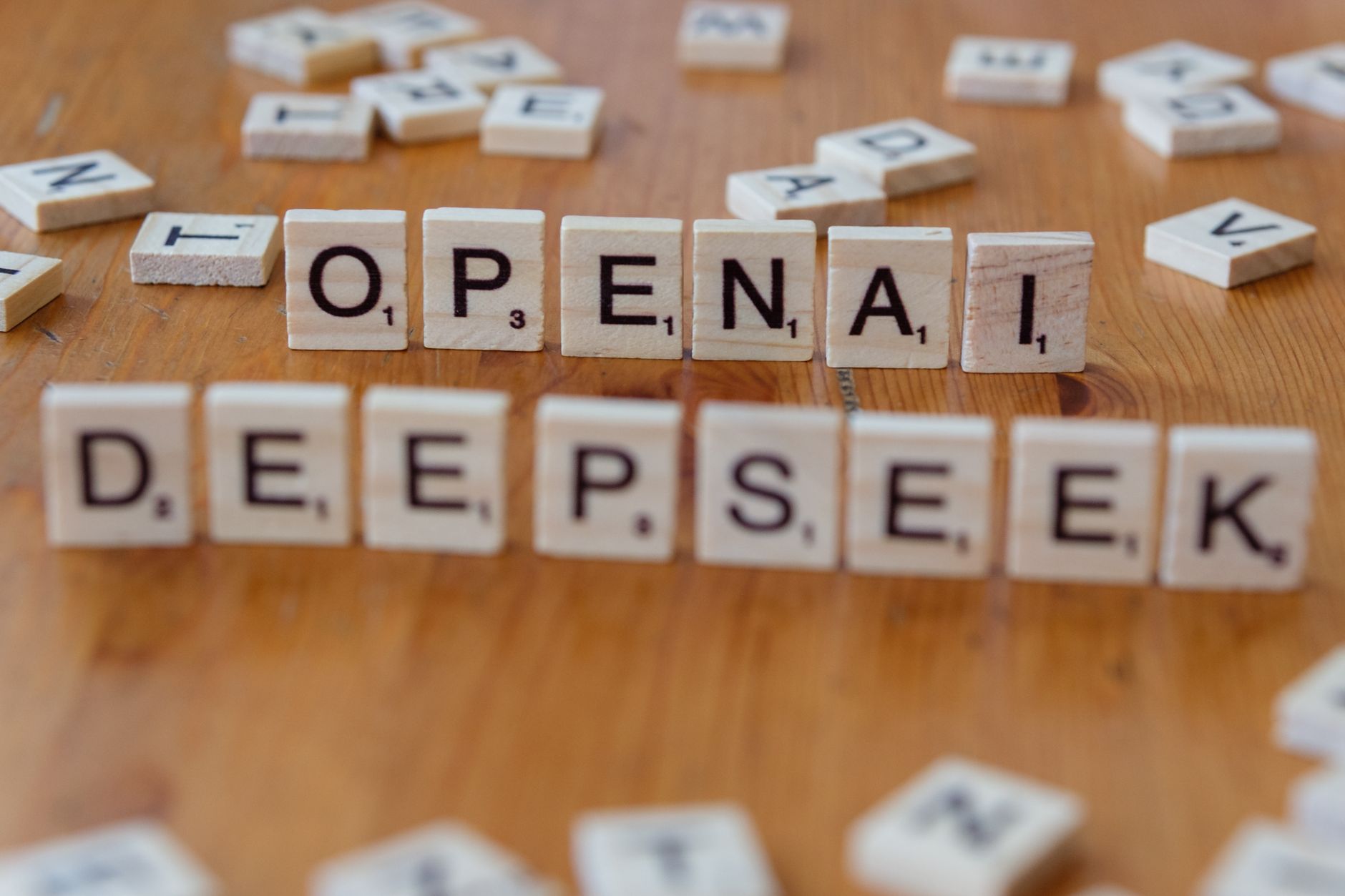
Open Models vs OpenAI is a pressing question in the AI landscape today. As new models emerge, the competition intensifies between established giants like OpenAI and emerging open models.
Introduction to Open Models
The rise of artificial intelligence has led to a burgeoning interest in various models, particularly the debate surrounding Open Models vs OpenAI. As organizations and researchers aim to harness the power of AI, they are increasingly faced with choices about which models to implement. Open models, designed to be accessible and adaptable, offer a compelling alternative to proprietary systems like those developed by OpenAI.
Open models promote collaboration and transparency, enabling developers to customize solutions according to specific needs. This flexibility is appealing to many in the tech community, particularly startups and academic institutions that may lack the resources to invest in closed systems.
However, the challenge remains: can open models truly keep pace with the advancements made by OpenAI and other leading AI developers? To better understand this dynamic, it is essential to examine the strengths and weaknesses of both approaches.
- Accessibility: Open models allow for broader participation in AI development.
- Innovation: Open models can lead to faster iteration and creativity.
- Resources: OpenAI benefits from extensive funding and infrastructure.
The Rise of OpenAI
The emergence of OpenAI has significantly influenced the landscape of artificial intelligence. Founded in December 2015, OpenAI quickly gained attention for its cutting-edge research and innovative products. The organization’s mission is to ensure that artificial general intelligence (AGI) benefits all of humanity, which has guided its development strategies.
OpenAI’s flagship models, such as GPT-3 and subsequent iterations, have demonstrated remarkable capabilities in natural language understanding and generation. These models have been leveraged across various industries for applications ranging from customer support automation to creative content generation.
Despite the impressive advancements made by OpenAI, the rise of open models poses an intriguing challenge. Open models, developed by various organizations and researchers, aim to democratize access to AI technology. They allow developers and businesses to customize and fine-tune models to suit specific needs, fostering innovation and competition.
As we delve deeper into the comparison of Open Models vs OpenAI, it becomes essential to evaluate the strengths and weaknesses of each approach in shaping the future of artificial intelligence.
Comparing Open Models and OpenAI
As the landscape of artificial intelligence continues to evolve, comparing Open Models and OpenAI becomes increasingly relevant for developers and businesses alike. Open Models offer a range of advantages, especially in terms of accessibility and customization. Users can modify the underlying architecture and training data to suit specific needs, making these models appealing for niche applications.
On the other hand, OpenAI provides a polished and robust platform with extensive support and resources. Its models, such as GPT, have set industry standards for performance and usability. While OpenAI’s offerings are often considered more reliable, they come with licensing costs and usage restrictions that might not fit every project.
When considering which option is the best choice, it’s essential to weigh factors such as cost-effectiveness, ease of integration, and the specific requirements of the task at hand. The decision ultimately hinges on whether the flexibility of Open Models outweighs the stability and support provided by OpenAI.
Both paths offer unique benefits, making this a critical decision for anyone venturing into the realm of AI.
Key Features of Anthropic
Anthropic has emerged as a significant player in the AI landscape, particularly in the context of Open Models vs OpenAI. The company focuses on creating AI systems that prioritize safety and alignment with human values. Here are some key features of Anthropic:
- Safety-First Approach: Anthropic emphasizes developing AI that is not only powerful but also safe for users, addressing concerns about AI misuse.
- Aligned AI: Their models are designed to align with user intentions, ensuring that the outputs are relevant and beneficial.
- Research-Driven: The company invests heavily in research to advance the understanding of AI behavior, contributing to the broader AI safety discourse.
- User-Centric Design: Anthropic prioritizes user experience, making their tools accessible and easy to integrate into various applications.
- Transparency: They advocate for transparency in AI development, sharing insights and findings to foster trust and collaboration within the AI community.
These features position Anthropic as a formidable competitor in the ongoing debate of Open Models vs OpenAI.
Market Trends in AI Development
The landscape of artificial intelligence is rapidly evolving, with new trends shaping the way developers approach AI solutions. As companies increasingly rely on AI for various applications, the competition between Open Models and OpenAI has intensified. Market analysts note a significant shift towards open-source frameworks, driven by the desire for transparency and collaboration.
In recent months, several factors have influenced these trends:
- Increased Demand: Businesses are seeking AI solutions that are not only powerful but also customizable to meet specific needs.
- Cost Efficiency: Open Models often provide a more budget-friendly alternative to proprietary systems, making advanced AI accessible to smaller companies.
- Community Engagement: Open-source models benefit from community contributions, leading to rapid innovations and improvements.
Despite these advantages, OpenAI maintains a strong position with its established reputation and resource-rich environment. As the competition heats up, the choice between Open Models and OpenAI will ultimately depend on individual project requirements and long-term goals.
Challenges for Open Models
As the AI landscape evolves, open models face significant challenges that may hinder their progress compared to proprietary systems like OpenAI. One of the primary issues is the availability of resources. Open models often rely on community contributions, which can lead to variability in quality and performance. In contrast, established companies like OpenAI have access to substantial funding and resources that allow for more rigorous development and optimization.
Another challenge is collaboration and governance. Open models thrive on community engagement, but this can result in fragmented efforts and lack of cohesion. Without a centralized authority, ensuring consistent updates and improvements can be difficult. Moreover, there are concerns about security and ethical use. Open models may be more vulnerable to misuse, as their code and data are accessible to everyone, which raises questions about accountability.
Lastly, the rapid pace of innovation at OpenAI creates a substantial competitive barrier. As they continue to set benchmarks in AI capabilities, open models must strive to keep pace while addressing these inherent challenges.
Future Predictions for AI Models
As the landscape of artificial intelligence continues to evolve, predictions about the future of AI models increasingly focus on the competition between open models and proprietary systems like OpenAI. Experts suggest that while OpenAI has set a high bar with its advanced capabilities, open models may gain traction due to their accessibility and adaptability.
One significant trend is the growing community around open models, which fosters collaboration and innovation. This collective effort allows developers to refine algorithms and enhance functionalities at a pace that proprietary models may struggle to match. Additionally, as users become more conscious of data privacy and ethical considerations, open models are likely to resonate with those seeking transparency.
However, OpenAI continues to invest heavily in research and development, which may lead to breakthroughs that keep it ahead in certain areas. The future may see a hybrid approach, where OpenAI and open models coexist, each playing a vital role in the advancement of AI technology.
Ultimately, the choice between open models and OpenAI will depend on user needs, as both paths offer distinct advantages and limitations.
Conclusion: The Path Forward
In conclusion, the ongoing debate between Open Models and OpenAI highlights the diverse approaches to artificial intelligence development. As the industry evolves, it becomes clear that both Open Models and OpenAI offer unique benefits that cater to different needs and preferences in the AI landscape.
Open Models provide transparency and accessibility, allowing developers and researchers to collaborate and innovate freely. This approach fosters a community-driven environment that encourages rapid advancements and diverse input. However, it does face challenges such as maintaining quality and ensuring security.
On the other hand, OpenAI has established itself as a leader with robust models that are backed by significant resources and research. Their focus on performance and reliability attracts businesses seeking dependable solutions. Yet, this often comes at the cost of accessibility and flexibility.
Ultimately, the best choice between Open Models and OpenAI will depend on the specific requirements of users. As AI continues to advance, the path forward will likely involve a combination of both strategies, leveraging the strengths of each to shape the future of artificial intelligence.
When considering the advantages and disadvantages of both approaches, it’s essential to analyze the key differences highlighted in the debate of Open Models vs OpenAI. Ultimately, the decision may come down to specific use cases and user preferences in the ongoing discussion of Open Models vs OpenAI.
Photo by Markus Winkler on Pexels
References
Related reading
MS Q3 earnings: What Proven Growth Factors Contributed? · Barclays India investment banking: A Proven Strategy for IPOs · Highest Lowest Inflation: A Clear Look at Key Items