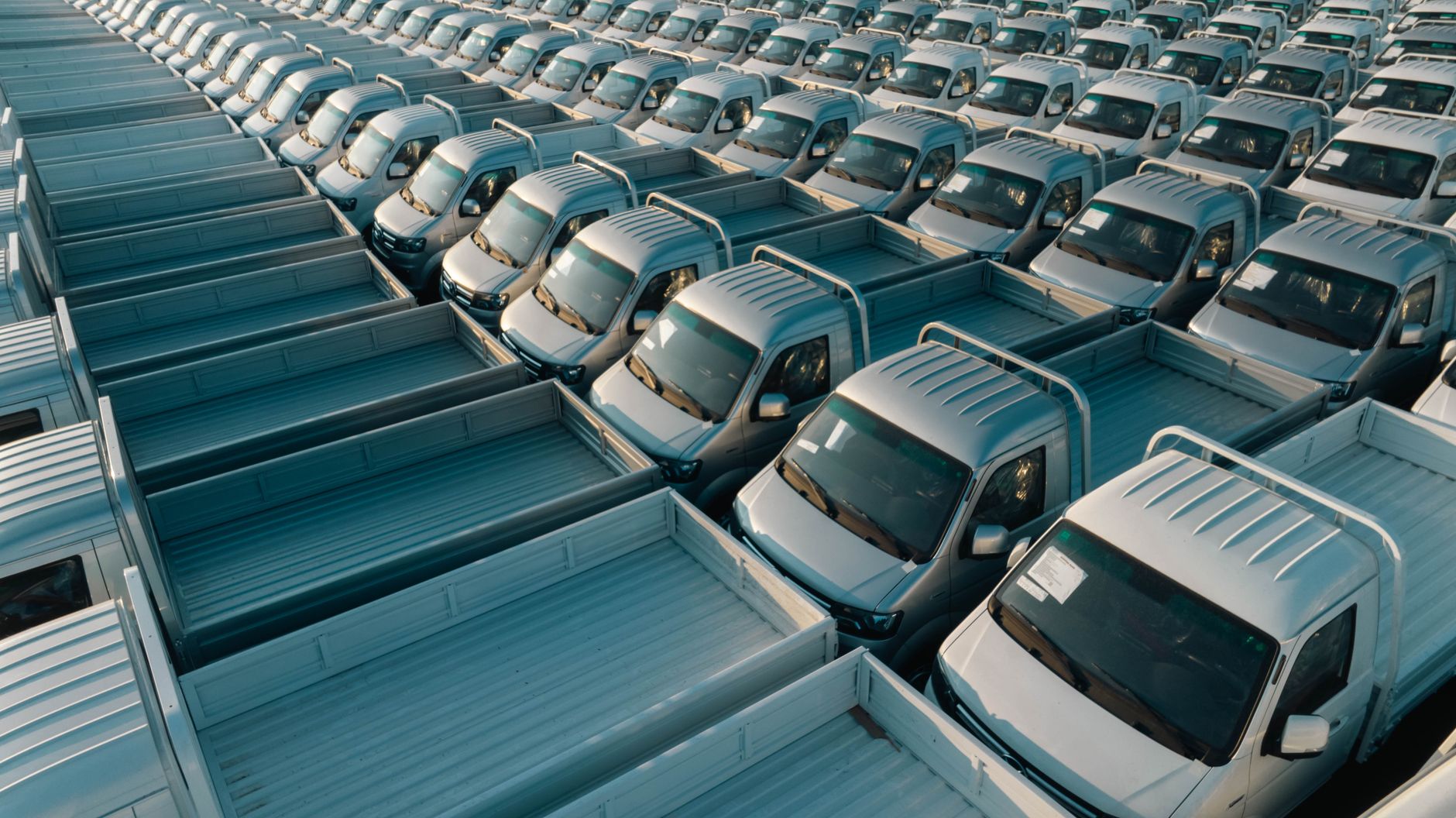
Brazil China trade has surged to a record $143 billion, showcasing significant growth driven by oil and electric vehicles. This milestone highlights the strengthening economic ties between the two nations.
Overview of Brazil China Trade
The trade relationship between Brazil and China has seen remarkable growth, culminating in a record $143 billion in trade during the last fiscal year. This surge is fueled by significant exports and imports, particularly in key sectors.
One of the primary drivers of this increase is the oil sector, with Brazil being a major supplier of crude oil to China. This partnership not only strengthens economic ties but also enhances energy security for both nations.
In addition to oil, electric vehicles (EVs) have emerged as a crucial area of collaboration. As both countries focus on sustainable development, the demand for EVs and related technologies has grown, leading to increased trade volumes.
Moreover, the bilateral trade strategy is supported by a series of agreements aimed at reducing tariffs and improving trade logistics. This has created a more favorable environment for businesses to engage in cross-border trade.
As Brazil and China continue to deepen their economic ties, the prospects for future growth in Brazil China trade appear promising. Both nations are likely to explore new opportunities in agriculture, technology, and infrastructure, which will further solidify their partnership.
Key Drivers of Trade Growth
The remarkable growth in Brazil-China trade can be attributed to several key drivers that have strengthened their bilateral relations. As both nations continue to foster economic ties, the following factors stand out as significant contributors to this expanding partnership:
- Resource Richness: Brazil is rich in natural resources, including oil and agricultural products, which are in high demand in China. This has led to increased exports of soybeans, iron ore, and crude oil, making Brazil one of China’s largest suppliers.
- Investment in Infrastructure: China’s investments in Brazilian infrastructure, particularly in transport and energy, have enhanced trade efficiency. These developments have improved logistics, allowing for smoother trade flows between the two countries.
- Technological Collaboration: The growing collaboration in sectors such as electric vehicles (EVs) has opened new avenues for trade. Brazilian manufacturers are increasingly partnering with Chinese companies to develop EV technology, boosting bilateral trade.
- Government Policies: Supportive policies from both governments have facilitated trade agreements and reduced tariffs, further encouraging the growth of Brazil-China trade.
These factors, among others, have significantly contributed to the record $143 billion in trade between Brazil and China, showcasing the potential for future growth in their economic relationship.
Impact of Oil on Bilateral Relations
The impact of oil on the Brazil China trade relationship cannot be overstated. As China continues to expand its energy needs, Brazil has emerged as a crucial supplier of oil, significantly boosting bilateral trade. In recent years, oil exports from Brazil to China have surged, contributing to the record $143 billion trade volume between the two nations.
Key factors influencing this growth include:
- Rising Chinese Demand: As China’s economy grows, its appetite for imported oil has increased, positioning Brazil as a vital partner.
- Diversification of Sources: China aims to reduce its dependence on Middle Eastern oil, making Brazilian crude an attractive alternative.
- Strategic Investments: Chinese investments in Brazilian oil infrastructure have enhanced production capabilities and export efficiency.
In addition to oil, Brazil’s potential as a supplier of electric vehicle (EV) components further strengthens the trade ties. As both countries focus on sustainable energy solutions, the collaboration in the oil sector lays a solid foundation for future endeavors in renewable energy technologies.
Overall, the intertwined interests in oil and energy have become a pivotal element of Brazil China trade, fostering a dynamic and mutually beneficial relationship.
Electric Vehicles and Trade Expansion
The burgeoning electric vehicle (EV) sector is a significant contributor to the expanding Brazil China trade relationship, highlighting the mutual benefits derived from collaboration in this innovative field. As both nations prioritize sustainable development, the push for cleaner transportation alternatives has created ample opportunities for trade and investment.
Brazil, rich in natural resources, has emerged as a critical supplier of raw materials essential for EV production, such as lithium and nickel. These minerals are vital for manufacturing batteries that power electric vehicles, making Brazil an attractive partner for China, the world’s largest market for EVs.
China, on the other hand, has become a global leader in EV technology and manufacturing, offering advanced solutions and competitive pricing. The country’s investment in Brazilian infrastructure and technology not only enhances local manufacturing capabilities but also fosters knowledge transfer between the two nations.
As a result, the synergy between Brazil’s resources and China’s technological prowess is driving the bilateral trade to new heights. Analysts predict that the electric vehicle sector will play an increasingly prominent role in the Brazil China trade landscape, further solidifying the strategic partnership between these two economic powerhouses.
Statistics on Trade Volume
The trade volume between Brazil and China has reached unprecedented levels, highlighting the strength of their bilateral relations. In 2022, the total trade value soared to a remarkable $143 billion, representing a substantial increase from previous years.
Key statistics reflecting this growth include:
- Exports from Brazil to China: Brazil’s exports to China accounted for approximately 33% of its total exports, primarily driven by commodities such as soybeans, iron ore, and oil.
- Imports from China: Imports from China have also witnessed a significant surge, reaching about $50 billion, with machinery, electronics, and consumer goods leading the categories.
- Trade Balance: The trade balance remains favorable for Brazil, with a surplus of $30 billion in 2022, bolstered by high demand for agricultural exports.
Moreover, the ongoing collaboration in sectors like electric vehicles and renewable energy further cements the importance of Brazil-China trade. As both nations seek to strengthen their economic ties, this growing trade volume is expected to continue its upward trajectory in the coming years.
Future Prospects for Brazil China Trade
The future prospects for Brazil China trade look promising as both nations continue to strengthen their economic ties. With the recent record of $143 billion in trade, the momentum is expected to sustain, particularly in key sectors like oil and electric vehicles.
Both countries are investing in infrastructure projects that facilitate trade and logistics. Brazil’s investments in ports and transportation networks aim to streamline the export of commodities, while China is enhancing its manufacturing capabilities to meet Brazil’s growing demand for various goods.
Additionally, the push for sustainable development opens new avenues for collaboration. Both nations are focusing on renewable energy sources, which may lead to increased trade in green technologies and products. Brazil’s rich biodiversity and natural resources can supply China with essential raw materials for its emerging industries.
As China shifts towards a more consumption-driven economy, Brazil stands to benefit from higher demand for agricultural products. The diversification of trade beyond traditional commodities is a key strategy for future growth.
In summary, the trajectory of Brazil China trade indicates a robust partnership that is likely to evolve, driven by mutual interests and strategic investments in various sectors.
Challenges in Trade Relations
Despite the promising growth in Brazil China trade, several challenges persist that could hinder the future development of this bilateral relationship. These challenges stem from both economic and political factors that affect trade dynamics.
- Trade Imbalances: One major concern is the trade imbalance, with Brazil exporting primarily raw materials while importing manufactured goods from China. This disparity can lead to dependency on commodity exports and limit the diversification of Brazil’s economy.
- Regulatory Barriers: Additionally, regulatory barriers and tariffs can complicate trade agreements, making it difficult for Brazilian products to compete in the Chinese market. Addressing these barriers is crucial for enhancing trade relations.
- Environmental Concerns: Environmental issues also pose challenges, as Brazil must balance economic growth with sustainable practices. The demand for natural resources from China could lead to over-exploitation and environmental degradation.
- Political Relations: Lastly, political relations between Brazil and China can be volatile, influenced by geopolitical tensions and domestic policies. Developing stronger diplomatic ties will be essential for overcoming these hurdles.
In conclusion, while the trajectory of Brazil China trade appears positive, addressing these challenges is vital for sustained growth and mutual benefit.
Conclusion on Economic Ties
In conclusion, the economic ties between Brazil and China have shown remarkable resilience and growth, with the Brazil China trade relationship evolving significantly over the years. As both nations continue to deepen their partnership, several factors contribute to this expansion, particularly in the realms of oil and electric vehicles, which have emerged as key drivers of bilateral growth.
The recent record trade volume of $143 billion underscores the mutual benefits reaped by both countries. Brazil has capitalized on its abundant natural resources, while China has solidified its role as a vital partner in the global supply chain. This collaboration not only enhances economic stability for both countries but also promotes innovation and investment opportunities.
However, the path forward is not without challenges. Issues such as regulatory hurdles and geopolitical tensions may pose risks to the future of Brazil China trade. Nonetheless, the potential for continued growth remains strong, particularly as both countries navigate these obstacles together.
In summary, the bilateral trade relations between Brazil and China hold promise for sustainable economic development, opening doors for a prosperous future that benefits both nations and their respective populations.
The recent statistics highlight a significant increase in the Brazil China trade, showcasing the growing interdependence of both economies. As a result, Brazil China trade has opened new avenues for investment and collaboration in various sectors.