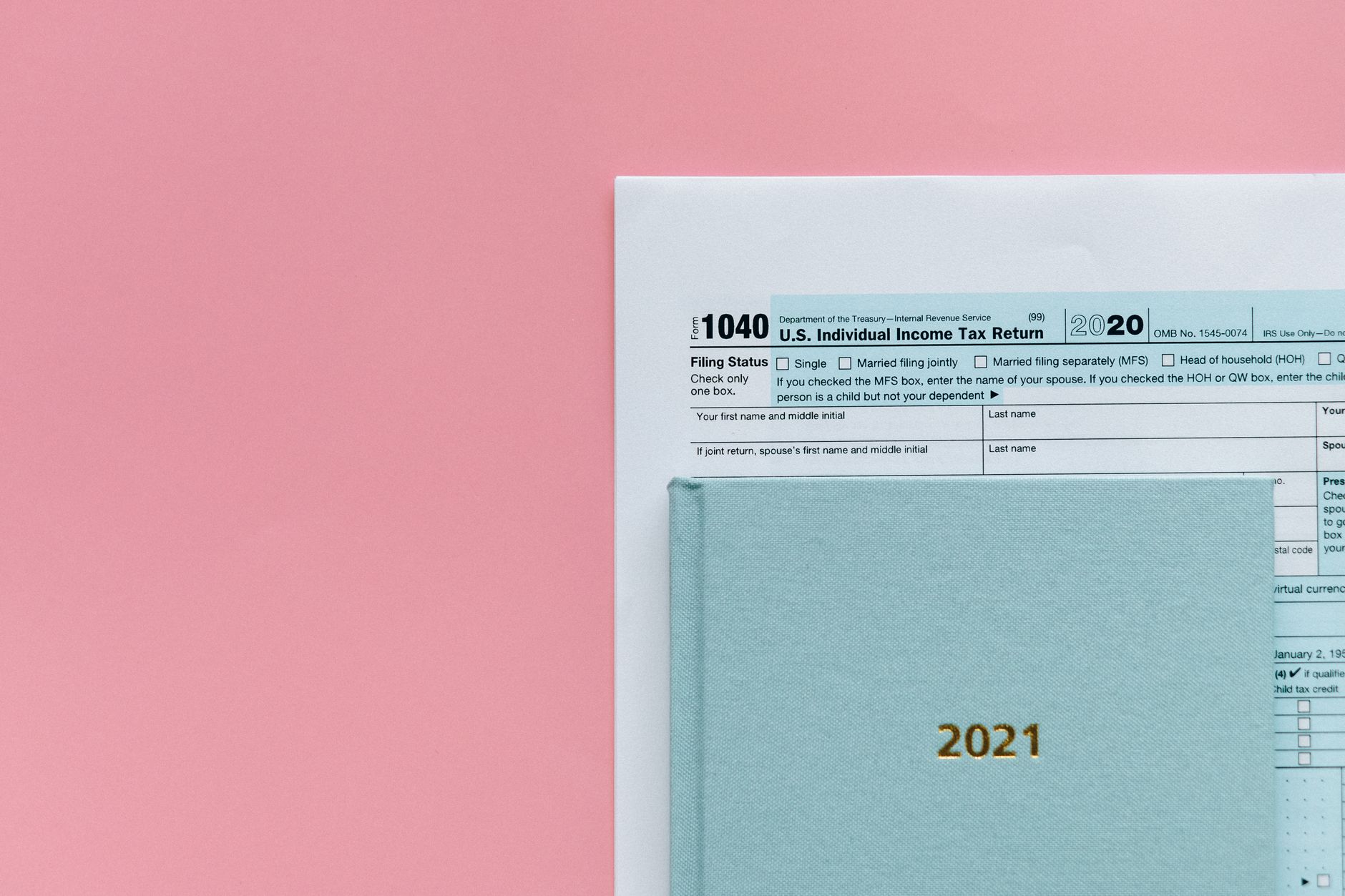
Gambling tax code changes are making headlines as the Titus bill advances in the U.S. House. This legislation aims to reverse recent modifications that could impact many taxpayers.
Understanding the Gambling Tax Code
The gambling tax code has undergone significant changes in recent years, prompting a need for clarity and understanding among both taxpayers and industry stakeholders. These alterations can greatly impact how gambling winnings are reported and taxed, making it essential for individuals to stay informed.
One notable change that has generated discussion is the threshold for reporting gambling winnings. Previously, winnings above a certain amount were taxable, but recent adjustments have shifted these limits, causing confusion among players and casinos alike. It is crucial for gamers to know:
- Reporting requirements: Understanding what constitutes taxable income is vital for compliance.
- Possible deductions: Some expenses related to gambling may be deductible, providing potential tax relief.
- State versus federal taxes: Different regulations may apply at the state level, further complicating the landscape.
As legislative bodies continue to evaluate the gambling tax code, it is important for individuals to seek out reliable information and consult tax professionals when necessary. Staying updated can help mitigate unexpected tax liabilities and ensure compliance with current laws.
What the Titus Bill Proposes
The Titus Bill aims to address recent modifications to the gambling tax code that have raised concerns among both legislators and the public. Introduced by Representative Dina Titus, the bill seeks to reverse certain changes that could impact how gambling winnings are taxed.
Key provisions of the Titus Bill include:
- Restoration of Previous Tax Rates: The bill proposes reinstating earlier tax rates on gambling winnings to alleviate the financial burden on gamblers.
- Increased Reporting Transparency: It emphasizes the need for clearer reporting requirements, making it easier for taxpayers to understand their obligations under the gambling tax code.
- Enhanced Support for Problem Gamblers: The legislation allocates funds to support initiatives aimed at helping individuals struggling with gambling addiction.
- Encouragement of Responsible Gambling: The bill advocates for responsible gaming practices and aims to provide education on the risks associated with gambling.
Supporters of the Titus Bill argue that these changes are necessary to protect consumers and ensure a fair taxation system. As the discussion continues in the U.S. House, stakeholders are closely monitoring how these proposed changes to the gambling tax code may evolve.
Implications for Gamblers and Taxpayers
The recent advancements in the gambling tax code, particularly concerning the Titus Bill, have significant implications for both gamblers and taxpayers. As the bill aims to reverse changes made in the tax code, it is crucial for those involved in gambling activities to stay informed about how these modifications might affect their financial responsibilities.
For gamblers, the primary concern lies in the potential alterations to how winnings are reported and taxed. If the bill passes, individuals may find themselves facing different tax obligations, which could lead to higher or lower tax liabilities depending on their gambling activities. This uncertainty can create confusion among players who rely on accurate knowledge of the tax code to manage their finances effectively.
Taxpayers, on the other hand, may also experience repercussions due to these changes. The adjustments in the gambling tax code can influence state revenue and funding for public services, which may ultimately affect all taxpayers. Understanding the nuances of the proposed legislation will be essential for both groups, as it is vital to navigate the evolving landscape of gambling and taxation.
- Increased awareness of tax obligations
- Potential changes in state revenue
- Impact on public services funding
Recent Changes to Gambling Tax Regulations
Recent developments in the gambling tax code have sparked significant discussions among lawmakers and the public. The recently proposed Titus Bill aims to revise certain aspects of the current regulations that govern gambling taxes. This bill seeks to address concerns that have arisen since previous changes were implemented, which some argue have placed an undue burden on both gamblers and taxpayers.
One of the key modifications introduced by the proposed legislation includes restoring certain deductions that were eliminated in earlier amendments to the gambling tax code. These deductions are essential for many individuals who engage in gambling activities, as they help to offset their taxable income derived from winnings.
Furthermore, the bill emphasizes transparency and fairness within the tax system. Lawmakers are advocating for a clearer framework that would allow gamblers to better understand their tax obligations, thereby reducing confusion and potential non-compliance.
The implications of these changes could be far-reaching. If the Titus Bill is passed, it may not only benefit individual gamblers but could also positively impact the overall economy by encouraging responsible gambling practices and ensuring that tax revenues remain consistent.
How to Prepare for Tax Season
As tax season approaches, it is essential for gamblers to be well-prepared to navigate the complexities of the gambling tax code. Understanding your tax obligations can help avoid unexpected surprises come April. Here are some steps to consider:
- Keep Accurate Records: Maintain detailed records of all gambling activities, including winnings, losses, and any related expenses. This will be crucial when filing your taxes.
- Know Your Deductions: Familiarize yourself with what losses can be deducted. Under the current gambling tax code, you can deduct losses up to the amount of your winnings, but it is vital to have proof.
- Consult a Tax Professional: Given the recent changes and complexities in the gambling tax regulations, seeking advice from a tax expert can provide clarity and ensure compliance.
- Stay Informed: Keep abreast of any new legislation, such as the proposals from the Titus bill, which may affect your tax obligations regarding gambling.
Being proactive about your tax preparation can significantly ease the burden during tax season, allowing you to enjoy your winnings without unnecessary stress.
Expert Opinions on Tax Code Revisions
Experts in tax law and gambling regulation have varying opinions on the recent revisions to the gambling tax code. According to renowned tax attorney John Anderson, “The changes proposed in the Titus Bill could significantly impact how winnings are reported and taxed.” He emphasizes that understanding the gambling tax code is crucial for both gamblers and the industry at large.
Another expert, Dr. Emily Chen, a financial analyst specializing in gaming, believes these revisions will simplify the tax process for many. “By clarifying the rules around winnings and losses, we are moving towards a system that is more equitable for taxpayers. Gamblers will no longer feel overwhelmed by the complexity of the tax code,” she stated.
However, not all opinions align. Michael Rodriguez, a lobbyist for online gaming companies, cautions that while simplification is needed, it could also lead to increased scrutiny from tax authorities. “We must ensure that any simplifications do not result in new loopholes that could be exploited,” he warned.
As the debate continues, stakeholders are encouraged to stay informed about the gambling tax code and its potential impact on their finances.
Photo by Nataliya Vaitkevich on Pexels