heat and water metering is becoming a focal point as the Cabinet of Ministers proposes changes to inspection rules. This could impact how consumers manage their utility costs.
Understanding Heat and Water Metering
Heat and water metering has become an essential topic in the context of energy efficiency and cost-saving measures for both consumers and service providers. With rising utility costs, understanding how these metering systems work can help households and businesses manage their expenses more effectively.
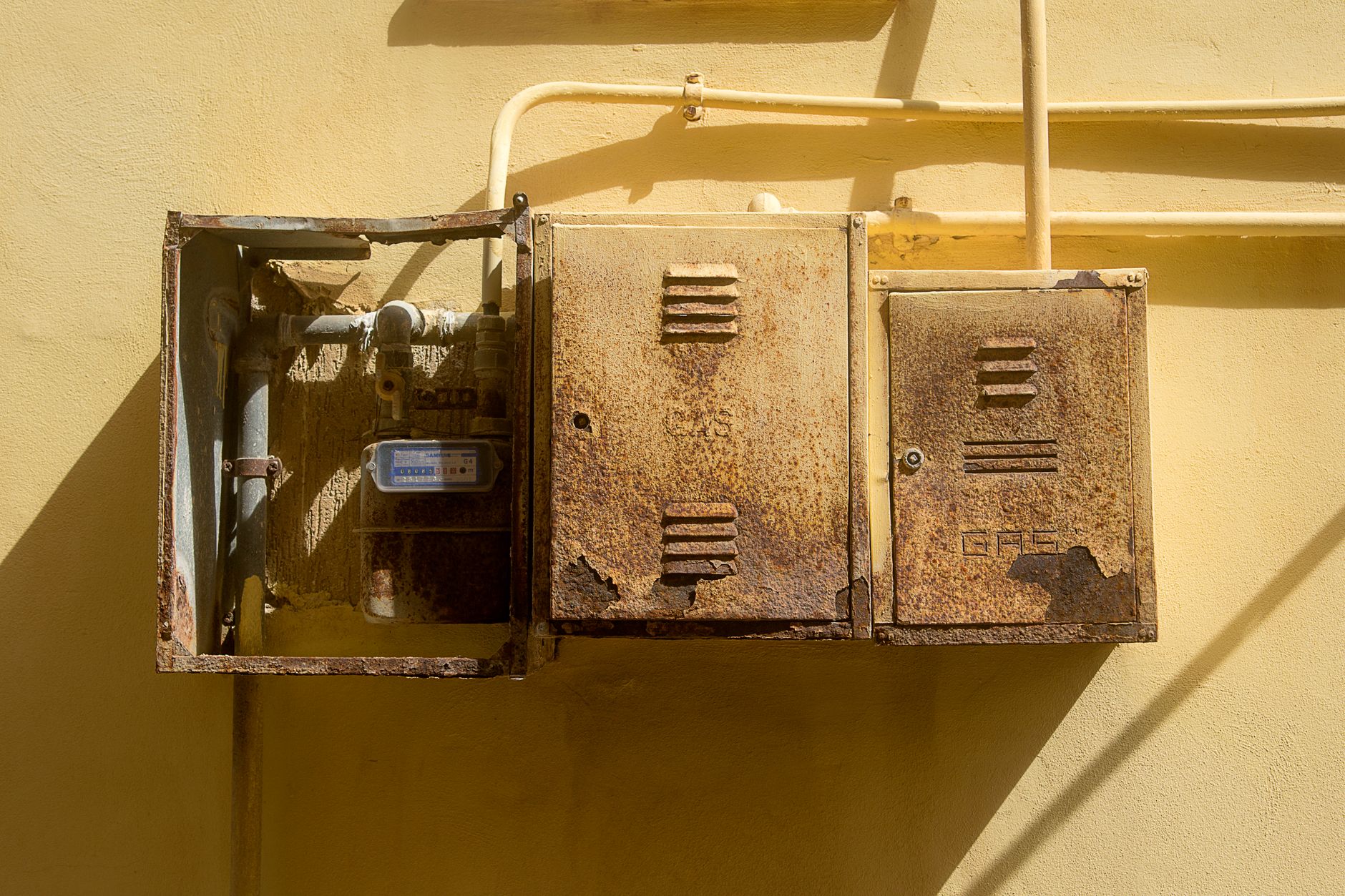
Heat meters measure the amount of thermal energy consumed in a building, while water meters track water usage. By implementing these systems, users can obtain accurate data on their consumption patterns, leading to more informed decisions regarding their energy use.
Key benefits of heat and water metering include:
- Cost Savings: By monitoring usage, consumers can identify areas where they can reduce waste and lower their bills.
- Environmental Impact: Efficient usage of resources contributes to a reduction in carbon emissions.
- Regulatory Compliance: Adhering to new regulations surrounding metering can help avoid penalties and ensure fair billing practices.
As governments contemplate strengthening state supervision over heat and water metering, it becomes increasingly critical for stakeholders to understand the implications of these changes.
Proposed Changes to Inspection Rules
The Cabinet of Ministers has proposed significant changes to the inspection rules governing heat and water metering, aiming to enhance state supervision over these essential services. This initiative comes in response to growing concerns about the accuracy and reliability of existing metering systems, which are crucial for both consumers and suppliers.
Key aspects of the proposed changes include:
- Increased Frequency of Inspections: Regular checks will ensure that meters are functioning correctly and provide accurate readings.
- Standardized Metering Equipment: The introduction of uniform standards for metering devices is intended to minimize discrepancies between various systems.
- Improved Reporting Requirements: Utilities will be required to report their metering data more transparently, allowing for better oversight.
- Consumer Protections: Frameworks will be established to protect consumers from potential overcharging due to faulty meters.
Experts believe that these changes could lead to more equitable billing practices and ultimately help consumers save money, as accurate heat and water metering can reduce unnecessary costs associated with inaccurate usage estimates.
Benefits of Metering for Consumers
Consumers stand to gain significantly from the implementation of heat and water metering in their homes and businesses. By accurately measuring the amount of heat and water used, metering allows for a more precise billing system that reflects actual consumption. This can lead to considerable savings on utility bills, as consumers only pay for what they use.
Additionally, metering promotes responsible consumption, encouraging households to be more mindful of their energy and water usage. When consumers are aware of their consumption patterns, they are more likely to adopt habits that conserve resources and reduce waste.
Moreover, the introduction of heat and water metering can enhance transparency in billing. Consumers can easily track their usage and verify that they are being charged fairly. This can help build trust between consumers and utility providers.
Lastly, the potential for reduced overall consumption can lead to environmental benefits, as lower demand for heat and water may contribute to decreased resource depletion and energy production emissions. In summary, heat and water metering presents a viable opportunity for consumers to save money while fostering sustainable practices.
Government’s Role in Utility Management
The government’s role in utility management, particularly in the context of heat and water metering, is crucial for ensuring fair practices and protecting consumers. Recent proposals from the Cabinet of Ministers aim to strengthen state supervision over these metering practices, which are essential for accurate billing and resource management.
With the proposed changes to inspection rules, the government intends to enhance oversight, ensuring that meters are properly calibrated and functioning. This initiative is designed to prevent discrepancies in billing that can lead to consumer dissatisfaction and financial strain.
Moreover, by improving the regulatory framework surrounding metering, the government can foster competition among utility providers. This competition may drive down costs for consumers, making it more affordable to access essential services like heat and water.
In this evolving landscape, it is vital for consumers to remain informed about their rights and the benefits of accurate metering. Increased transparency and accountability in heat and water metering will ultimately contribute to better resource management and potential savings for households across the country.
Photo by Jan van der Wolf on Pexels