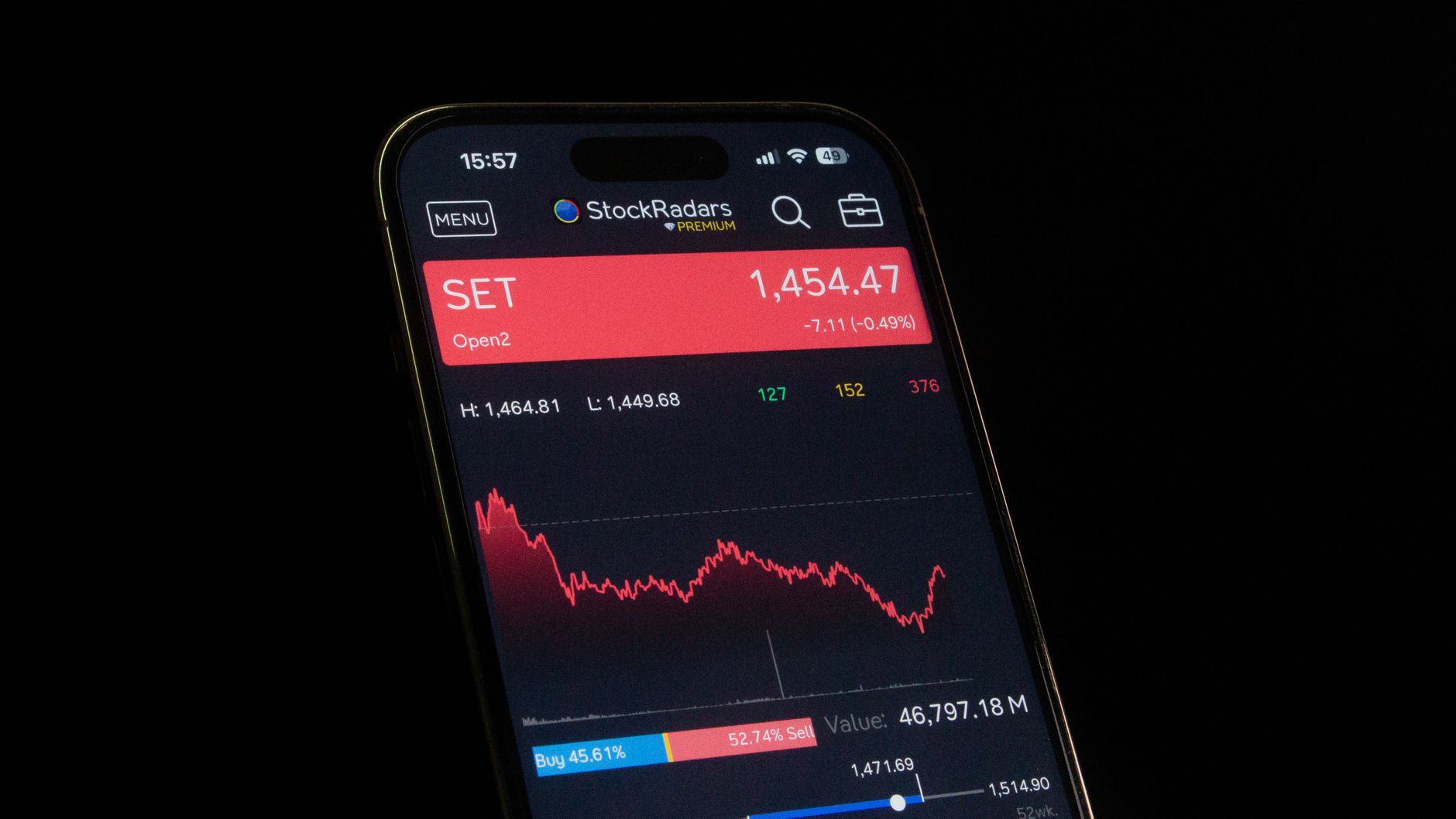
Indian share markets falling has raised eyebrows among investors. Today, the Sensex rallied significantly, but underlying issues persist that could impact future performance.
Understanding the Recent Market Rally
The recent downturn in Indian share markets has raised concerns among investors and analysts alike. Understanding the underlying factors is crucial for navigating this volatile environment.
One significant reason for the decline is global economic uncertainty. With various geopolitical tensions and fluctuating economic indicators worldwide, confidence in the market has been shaken. Investors are wary of potential repercussions on the Indian economy, leading to a sell-off.
Additionally, domestic inflation rates have been climbing, prompting fears of tighter monetary policies. As the Reserve Bank of India considers adjustments to interest rates, market participants may react negatively, further contributing to the downward trend.
Another critical factor is the performance of major sectors. Many key industries, such as technology and finance, have reported weaker-than-expected earnings, prompting a reevaluation of stock valuations. This has led to increased selling pressure, exacerbating the falls in Indian share markets.
In summary, the recent market rally has been overshadowed by these challenges, forcing investors to reassess their strategies amid an uncertain landscape.
Key Factors Behind Market Declines
The recent decline in the Indian share markets has left many investors concerned. Several key factors have contributed to this downward trend, which is crucial to understand for informed decision-making.
- Global Economic Concerns: A slowdown in major economies has raised fears of reduced demand for Indian exports, leading to uncertainty in the markets.
- Rising Inflation: Persistent inflationary pressures have forced central banks to consider tightening monetary policies, which can negatively impact market performance.
- Geopolitical Tensions: Ongoing geopolitical issues have created instability, resulting in cautious investor sentiment and reduced market confidence.
- Profit Booking: After a significant rally, many investors are opting to book profits, leading to increased selling pressure on stocks.
- Sector-Specific Weakness: Certain sectors, particularly technology and finance, have faced unique challenges that have further exacerbated the decline in Indian share markets.
Understanding these factors is essential for investors as they navigate the current market landscape and adjust their strategies accordingly.
Impact of Global Events on Indian Markets
The Indian share markets falling trend has been significantly influenced by various global events that have created uncertainty among investors. A few key factors include:
- Geopolitical Tensions: Ongoing conflicts and tensions in different regions have raised concerns about global economic stability. Investors are wary of potential impacts on trade and investment flows.
- Interest Rate Hikes: Central banks around the world, particularly the Federal Reserve, have been increasing interest rates to combat inflation. This has led investors to anticipate tighter financial conditions, causing a ripple effect on equity markets, including India.
- Global Economic Data: Recent economic reports from major economies have shown signs of slowing growth, which raises alarms about global demand. Any downturn in developed markets can adversely affect emerging markets like India.
- Currency Fluctuations: The strengthening of the US dollar against other currencies can lead to capital outflows from emerging markets, contributing to the Indian share markets falling.
These global dynamics are crucial for investors to monitor, as they can significantly impact market sentiment and performance in India.
Expert Insights on Market Trends
As the Indian share markets falling trend continues to draw attention, experts are weighing in on the underlying factors contributing to this decline. According to market analysts, there are several key insights to consider.
- Profit Booking: After a significant rally, many investors are taking profits, leading to a downward pressure on stock prices. This profit booking is a typical market behavior that can trigger a decline.
- Inflation Concerns: Rising inflation rates are causing worries among investors, making them cautious about future spending and investments. Higher inflation can lead to tighter monetary policies, which often negatively impacts market sentiment.
- Global Economic Indicators: Ongoing global economic uncertainties, including fluctuating oil prices and geopolitical tensions, are influencing investor confidence in the Indian markets. The interconnectedness of global markets means that declines abroad can ripple through to domestic indices.
In summary, while the Indian share markets falling may seem alarming, these insights highlight the complexities of market dynamics and the need for investors to remain informed and vigilant.
Future Predictions for Indian Share Markets
As investors turn their attention to the future, the outlook for Indian share markets remains uncertain amid recent fluctuations. Analysts are divided on whether the current downturn is a temporary correction or a sign of more prolonged challenges ahead.
Many experts believe that several factors will shape the direction of Indian share markets in the coming months:
- Global Economic Trends: The world economy is showing signs of slowing down, which could impact foreign investment in India.
- Inflation Rates: Persistently high inflation could lead to increased interest rates, affecting consumer spending and corporate profits.
- Policy Changes: Regulatory shifts and government policies will play a crucial role in determining market sentiment and investor confidence.
- Geopolitical Tensions: Ongoing geopolitical issues may lead to market volatility, influencing investor decisions.
- Corporate Earnings: The performance of key companies in the upcoming earnings season will be closely watched for signals of economic health.
In summary, while the Indian share markets are currently falling, a combination of strategic insights and market indicators will be essential for navigating this complex landscape.
Investing Strategies During Market Volatility
As the Indian share markets are falling, investors are advised to adopt strategic approaches to navigate this volatility. Here are some effective investing strategies to consider during such uncertain times:
- Diversification: Spreading investments across various sectors can help mitigate risks. By diversifying, investors can cushion their portfolios against sharp market fluctuations.
- Investing in Defensive Stocks: Companies that provide essential goods and services tend to perform better during downturns. Focus on sectors like healthcare, utilities, and consumer staples.
- Staying Informed: Keeping abreast of market trends and economic indicators is crucial. Regularly review news and analyses to make informed decisions based on current conditions.
- Long-term Perspective: Rather than reacting impulsively to market dips, consider maintaining a long-term investment outlook. Historically, markets have recovered from downturns over time.
- Dollar-Cost Averaging: Continuously investing a fixed amount can reduce the impact of volatility. This strategy allows investors to buy more shares when prices are low and fewer when prices are high.
By implementing these strategies, investors can better position themselves to weather the storm as the Indian share markets are falling.
Conclusion: Navigating Market Uncertainty
In conclusion, the current situation of the Indian share markets falling reflects a complex interplay of various factors that investors need to comprehend. As the markets experience volatility, it is essential to approach investment strategies with caution and informed decision-making.
Market participants should consider the following key points:
- Understanding Market Cycles: Markets typically go through cycles of growth and decline. Recognizing this can help investors maintain perspective during downturns.
- Diversification: A well-diversified portfolio can mitigate risks associated with market fluctuations. Investors should consider spreading their investments across various sectors and asset classes.
- Long-Term Focus: Short-term market movements may be alarming, but maintaining a long-term investment horizon can yield more favorable outcomes.
- Continuous Learning: Staying informed about economic indicators, policy changes, and global events can better equip investors to navigate uncertainty.
As we witness the Indian share markets falling, it is vital for investors to remain vigilant and adaptable, ensuring that their strategies align with both current conditions and future expectations.
The recent decline in the Indian share markets falling can be attributed to a combination of global economic uncertainties and domestic policy changes. Investors are increasingly concerned about the implications of Indian share markets falling on their portfolios and future growth prospects.