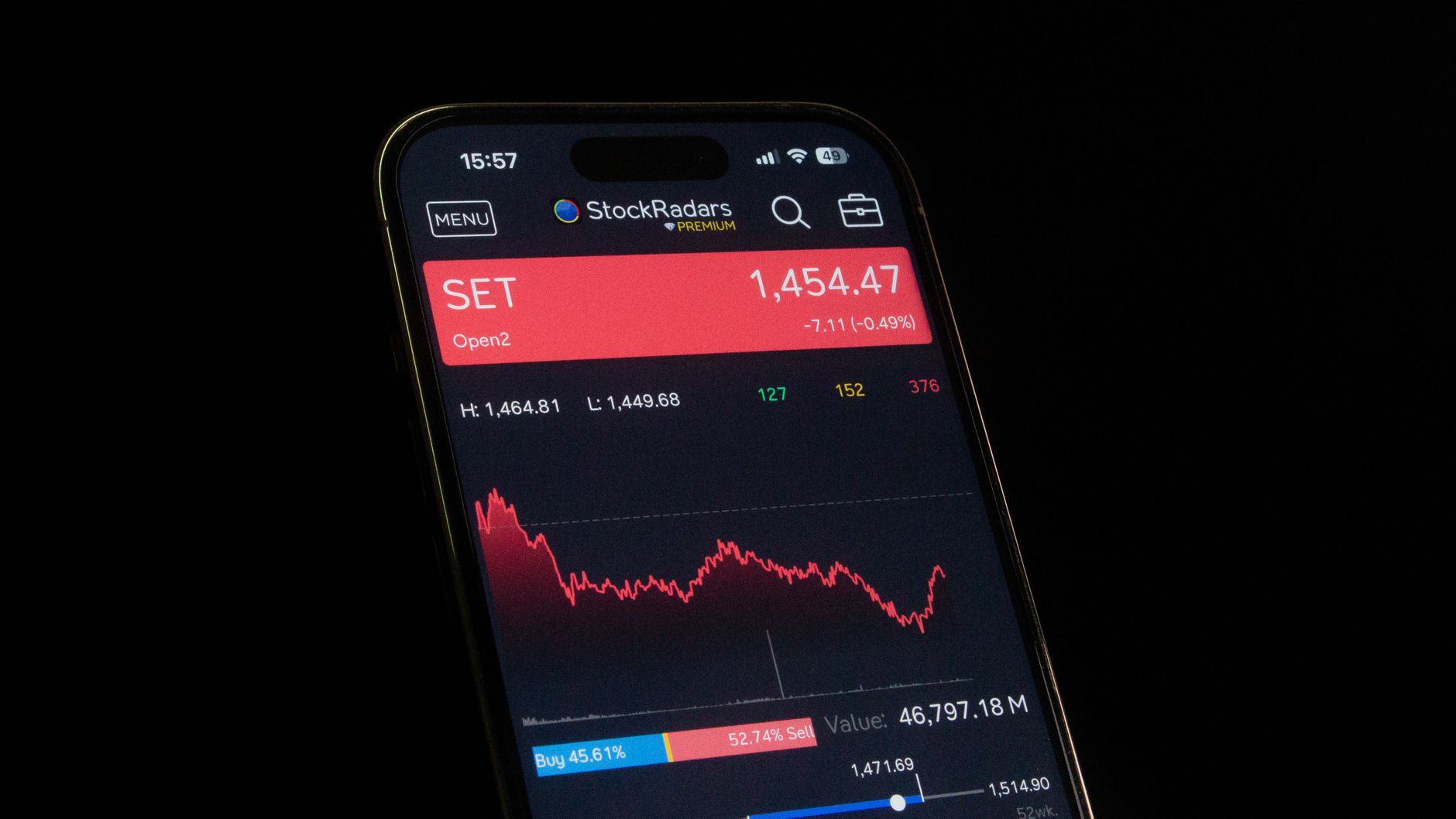
Stock Market Outlook reveals that the market is likely to remain under pressure today due to ongoing geopolitical risks. Investors are advised to proceed with caution as volatility remains high.
Current Market Trends
As of September 8, the stock market outlook indicates a cautious sentiment among investors, primarily driven by escalating geopolitical risks. Key indices, including the Sensex and Nifty, are expected to remain under pressure as uncertainties loom over global trade relations and regional conflicts.
Market analysts highlight several factors contributing to the current trends:
- Geopolitical Tensions: Ongoing conflicts and diplomatic strains are causing fluctuations in investor confidence, leading to volatility in stock prices.
- Economic Data: Recent economic indicators suggest a slowdown in growth, further impacting market sentiment.
- Inflation Concerns: Rising inflation rates are prompting fears of tighter monetary policies, which could affect liquidity in the markets.
- Global Market Influences: Developments in international markets, particularly in the US and Europe, are having a direct impact on local sentiments.
Given these dynamics, the stock market outlook remains uncertain, and investors are advised to proceed with caution. Many are opting for defensive strategies to mitigate potential risks while keeping a close eye on geopolitical developments that could influence market trends.
Geopolitical Risks Impacting Stocks
The stock market outlook remains precarious as various geopolitical risks continue to influence market trends. Investors are increasingly concerned about how international tensions may affect economic stability and stock valuations.
Several key factors are contributing to this sentiment:
- Ongoing Conflicts: Active conflicts in different regions create uncertainty, leading to volatile market reactions.
- Trade Disputes: Escalating trade tensions between major economies can disrupt supply chains, impacting corporate earnings.
- Sanctions and Regulatory Changes: New sanctions can limit market access for certain companies, forcing investors to reassess their portfolios.
- Energy Prices: Fluctuations in oil and gas prices due to geopolitical events can lead to increased costs for various industries.
- Global Economic Slowdown: Fears of a slowdown in global growth can discourage investment, leading to bearish sentiments in the market.
As these geopolitical risks unfold, market participants are advised to remain vigilant and consider their strategies carefully. The current stock market outlook suggests that caution is warranted, given the potential for unforeseen developments that could further impact trends.
Investor Sentiment Analysis
Investor sentiment remains a critical component in shaping the stock market outlook as global events continue to unfold. Recent surveys indicate a growing sense of caution among investors, primarily due to escalating geopolitical tensions that threaten economic stability. The following factors are influencing current investor sentiment:
- Market Volatility: Many investors are reacting to increased volatility, driven by unexpected political developments and their potential impact on market performance.
- Economic Indicators: Key economic indicators, such as inflation rates and employment figures, are contributing to a mixed outlook. Investors are closely monitoring these trends to guide their decisions.
- Market Sentiment Surveys: Recent findings from investor sentiment surveys show a significant percentage of participants expressing concerns, leading to a more cautious approach in trading activities.
- Long-Term Outlook: While short-term fears dominate, some investors maintain a long-term perspective, believing that markets will eventually recover as geopolitical issues stabilize.
As the geopolitical landscape evolves, investor sentiment is likely to fluctuate, further impacting the stock market outlook in the coming weeks. Understanding these dynamics is essential for making informed investment decisions.
Predictions for Sensex and Nifty
As analysts assess the stock market outlook, predictions for the Sensex and Nifty indicate a challenging period ahead. Market experts suggest that both indices may face continued pressure due to the prevailing geopolitical tensions.
Recent trends show that:
- Sensex is expected to fluctuate within a narrow range, possibly hovering around the 60,000 mark, as investors remain cautious.
- Nifty could also experience similar volatility, with forecasts placing it between 17,500 and 17,800 points.
- Sector-specific performances may vary, with defensive sectors like healthcare and utilities likely to attract more investment amid uncertainty.
- Market volumes may decrease as investors adopt a wait-and-see approach, closely monitoring global developments.
In the face of these challenges, analysts emphasize the importance of a diversified investment strategy. Emphasizing risk management is crucial as the market navigates through these turbulent times. Investors are encouraged to stay informed and be prepared for potential volatility, ensuring that their portfolios are resilient against any unforeseen geopolitical developments.
Strategies for Navigating Volatility
As investors brace for potential turbulence, developing effective strategies for navigating volatility is crucial in the current stock market outlook. Market fluctuations, exacerbated by geopolitical uncertainties, require a proactive approach to investment.
- Diversification: Spreading investments across various sectors can mitigate risk. This strategy allows investors to weather downturns in specific industries while capitalizing on gains in others.
- Focus on fundamentals: Prioritizing companies with strong balance sheets and solid earnings can provide a cushion against market shocks. Investing in fundamentally sound stocks often leads to better long-term performance.
- Use of stop-loss orders: Implementing stop-loss orders can help protect investments by automatically selling stocks once they reach a certain price, thereby limiting potential losses during volatile periods.
- Stay informed: Keeping abreast of geopolitical developments and market news is essential. Understanding the broader context can help investors make informed decisions and adjust their strategies accordingly.
- Consider dollar-cost averaging: This method involves investing a fixed amount regularly, which can reduce the impact of market volatility by averaging out the purchase price of stocks over time.
By adopting these strategies, investors can better navigate the unpredictable landscape highlighted in the stock market outlook.
Photo by RDNE Stock project on Pexels
Sources
You might also like
Prasol Chemicals IPO: The Best Proven Investment Opportunity · Swish Funding Round: Best Proven Ways to Attract Investors · EPFO VISHWAS 2026: Is It the Best Solution for PF Disputes?